Using this page
Credit and mihi are extended to kaiako (teacher) Claire Dixon, who developed this planning document in 2024 to use with her ākonga (students) when studying NCEA Level 1 History (1.2).
This planning document is intended to be shared with ākonga to help structure their ideas and develop their thinking about significant historical contexts and the use of evidence.
Curriculum
The document can be modified for use in other curriculum levels – not just those teaching NCEA Level 1.
The explanatory note in the 2024 1.2 Standard asks ākonga to apply a ‘specific aspect or specific aspects of significance’. Ākonga should not be asked to write about all the aspects of significance. It is recommended that ākonga choose two aspects that best fit their historical event, person or place.
The NCEA assessment language used for Whakapapa is used here for Vā, which isn’t specifically mentioned in the 1.2 standard.
History 1.2 Demonstrate understanding of the significance of a historical context – NCEA Education
Author
Ricky Prebble, Senior Educator/Historian
Demonstrating understanding of historical significance: Planning document
Demonstrate understanding of historical significance (Google Docs). Click on File – Make a copy or Save as Google Docs to save an editable version of the document.
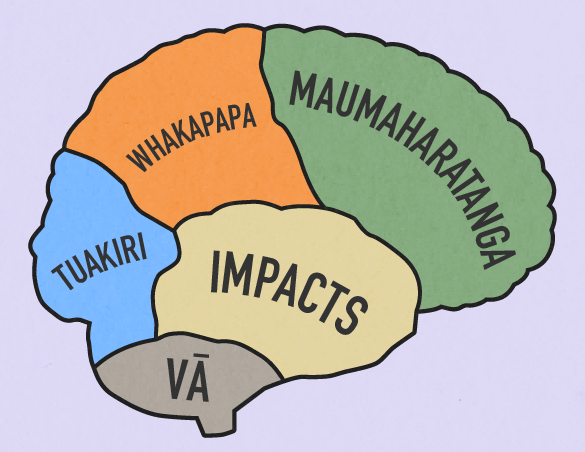
Criteria of historical significance
- Whakapapa (a framework that details genealogy and maps interrelationships between all things).
- Vā (understanding differences and similarities within and between individuals and/or groups, shared environments, history, genealogy, and responsibilities).
- Tuakiri (can be synonymous with ‘identity’ but is broader in scope. Includes all unique characteristics that indicate who someone or some people are, such as the behaviour of a person, which demonstrate their uniqueness).
- Collective maumaharatanga (memories, recollections).
- Impact (consequences, changes and/or continuities).