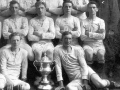
At Athletic Park, Wellington, Seacliff from Otago defeated Wellington YMCA 4-0 in the first final of the Chatham Cup, which has become New Zealand football’s longest-running and best-known national club competition.
Month Calendar View
Historic NZ events in October
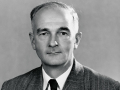
1962
Sir Guy Powles was New Zealand's first Ombudsman. In a loose translation from Swedish, the word means ‘grievance person’. The office was created to investigate complaints about government departments and other national public sector organisations.
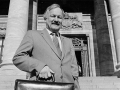
1986
Adding 10 per cent to the cost of most goods and services, GST was a key part of the economic reforms of the fourth Labour government – dubbed ‘Rogernomics’ after Minister of Finance Roger Douglas.
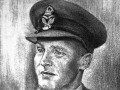
1941
In October 1941, New Zealand Spitfire pilot Carlyle Everiss heroically sacrificed his life to save the Scottish village of Cowie from serious damage.
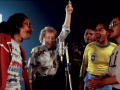
1986
Written for the movie Footrot Flats: the dog’s tale, based on an iconic New Zealand cartoon series, Dave Dobbyn’s hit single featured reggae band Herbs singing unaccompanied (a cappella). It topped the charts for eight weeks.
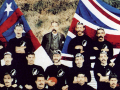
1888
The privately organised rugby team was the first to wear the silver fern and an all-black uniform.
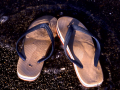
1957
Inspired by footwear he had seen in Japan, businessman Morris Yock and his son Anthony began manufacturing this simple rubber footwear in their garage in 1957. The name ‘jandal’ combined the words ‘Japanese’ and ‘sandal’.
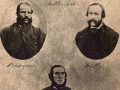
1866
Burgess, Kelly and Levy were hanged. Joseph Sullivan, the fourth member of the 'Burgess gang', received a life sentence after turning Queen's evidence and helping convict his co-accused.
2011
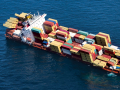
The German-built Rena is the largest ship ever wrecked in New Zealand waters. No lives were lost, but in financial terms it was our costliest-ever shipwreck.
1769
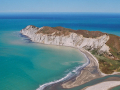
Ship’s boy Nicholas Young received a gallon of rum and had a headland named after him as a reward for being the first aboard HMB Endeavour to spot land in the south-west Pacific.
1917
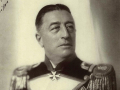
Felix Graf von Luckner earned the epithet Der Seeteufel (the Sea Devil) for his exploits as captain of the German raider SMS Seeadler in 1916–17.
1941
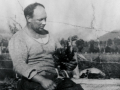
Dairy farmer Stanley Graham killed seven people in Kōwhitirangi on the South Island’s West Coast.
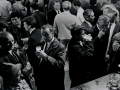
1967
Fifty years of six o’clock closing of pubs had ended two days earlier, after a referendum convinced the government to change the antiquated licensing law.

1975
The Labour government created the Tribunal to hear Māori claims of breaches of the Treaty of Waitangi. It has evolved ever since, adapting to the demands of claimants, government and public.
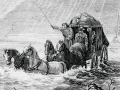
1861
In its first venture from Dunedin to Gabriels Gully, near Lawrence, Cobb & Co. reduced the time for the trip from two days to nine hours.
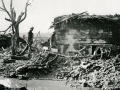
1917
Ever since 1917, Passchendaele has been a byword for the horror of the Great War. In terms of lives lost in a single day, the failed attack on Bellevue Spur on 12 October was probably the greatest disaster in New Zealand’s history.
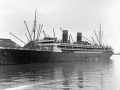
1918
Many people blamed the liner Niagara for bringing a deadly new influenza virus to New Zealand. But six people had died of the flu in Auckland in the three days before it arrived, and the upsurge in cases in the city came two weeks later.
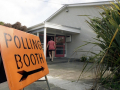
1996
In the first general election held under the new mixed-member proportional representation (MMP) voting system, New Zealand voters selected 120 members of Parliament through a mixture of electorate contests and party lists.
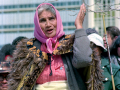
1975
About 5000 marchers arrived at Parliament and presented a petition signed by 60,000 people to Prime Minister Bill Rowling. The primary aim of the hīkoi (march) was to protest against the continuing loss of Māori land.
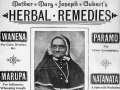
1892
Mother Aubert, known initially in her religious life as Sister Mary Joseph, was appointed to a newly established order at Hiruharama (Jerusalem) on the Whanganui River
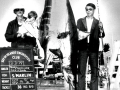
1979
The gangland murder of ‘Mr Asia’ (Marty Johnstone) led to the demise of one of New Zealand’s largest ever drug rings. Johnstone was killed on the orders of drug lord Terry Clark. Divers found his mutilated body in a flooded quarry in England.

2010
Just how close the New Zealand and Australian netball teams were became clear as the match, the longest official game of netball ever played, stretched over 84 pulsating minutes.
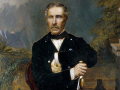
1877
Grey played a central role in 19th-century New Zealand politics, serving two terms as governor before entering Parliament to fight Julius Vogel's plans to abolish the provinces. He was the first of just two men who have held both positions.
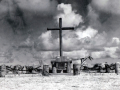
1942
Seventeen New Zealand coastwatchers and five civilians captured in the Gilbert Islands (now Kiribati) were beheaded at Betio, Tarawa.
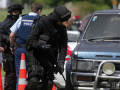
2007
Citing the Terrorism Suppression Act, police arrested 18 people in raids linked to alleged weapons-training camps near the Bay of Plenty township of Rūātoki.
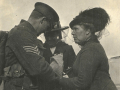
1914
Thousands of Wellingtonians rose before dawn and crowded vantage points around the harbour to watch as 10 grey-painted troopships, escorted by four warships, sailed to war.
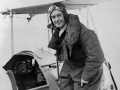
1936
Jean Batten left for New Zealand from Kent, England, at 4.20 a.m. on 5 October 1936. Despite the early hour, a large media contingent gathered to see her off; Batten was already famous for her successful solo flights from England to Australia in May 1934, and to South America in November 1935.
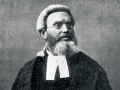
1877
Chief Justice Sir James Prendergast’s statements when delivering judgment in the case of Wi Parata v The Bishop of Wellington would influence decision-making on Treaty of Waitangi issues for decades.
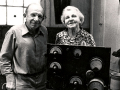
1924
From the family sheep station in Shag Valley, East Otago, amateur radio operator Frank Bell sent a groundbreaking Morse code transmission that was received and replied to by London-based amateur operator Cecil Goyder.
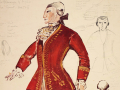
1954
Soon to be renamed the New Zealand Opera Company, the Group performed Gian Carlo Menotti’s comic opera The telephone in Wellington. The performance was broadcast live on radio.
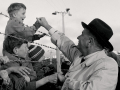
1966
President Lyndon Johnson's 24-hour visit was aimed at shoring up support for the war in Vietnam. Protesters were outnumbered by enthusiastic crowds.
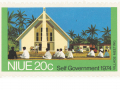
1974
In September 1974, 64% of resident Niueans voted in favour of the island becoming self-governing in free association with New Zealand.

1992
The foundation was established in Australia by the Kiwi-born ophthalmologist (eye doctor) to treat eye problems in poorer countries. Within six years, 200,000 people had their sight restored through cataract surgery.
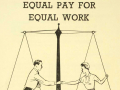
1972
The legislation aimed to end the gender pay gap in the private sector, following earlier legislation which addressed the pay gap for the public service.
1987
Billions of dollars were wiped off the value of New Zealand shares in the weeks following 20 October, as the shockwaves of a sharp drop in New York’s Wall Street stockmarket rippled around the world.
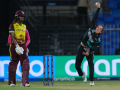
2024
New Zealand’s women cricketers won the biennial 20-over world title for the first time at the ninth attempt.

1964
Snell had successfully defended his 800-m title earlier at the Tokyo Olympics and completed the coveted middle-distance double with gold in the 1500 m. Fellow Kiwi John Davies won bronze.
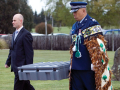
2008
The 96 medals, including nine Victoria Crosses, two George Crosses and an Albert Medal, had been stolen from the Waiōuru museum early on the morning of 2 December 2007. The VCs included those awarded to Reginald Judson, Keith Elliott and Henry Laurent.
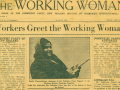
1934
The first working women’s conference aimed to link women with working-class organisations, and was supported by the Communist Party of New Zealand.
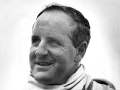
1967
In 1967 Denny Hulme became the first – and so far only – New Zealander to win the Formula One World Championship.

1972
Acknowledged as one of New Zealand’s most accomplished poets, Baxter devoted the last years of his life to social work with alcoholics and drug addicts. He died in Auckland, aged 46.
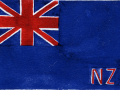
1869
The design of the New Zealand ensign that was to be flown by ships owned by the colonial government was established by a proclamation by the governor, Sir George Bowen
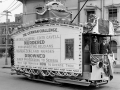
1915
The sinking of the transport ship Marquette in the Aegean Sea in late 1915 added to the grief of a nation still reeling from the heavy losses at Gallipoli.
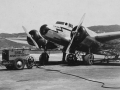
1948
The Lockheed Electra airliner ZK-AGK Kaka went missing in poor weather on a flight from Palmerston North to Hamilton. Searchers did not reach the wreckage for a week.
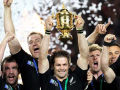
2011
The All Blacks won the Webb Ellis Cup for the second time in seven attempts, defending grimly to hold onto an 8–7 lead over France in front of 61,000 spectators at Eden Park, Auckland.
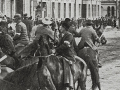
1913
Violent clashes between unionised waterside workers and non-union labour erupted two days after Wellington’s ‘wharfies’ held a stopwork meeting in support of striking shipwrights.
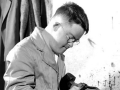
1949
A meeting in Wellington set up an interim committee for the Intellectually Handicapped Children's Parents' Association (IHCPA), the forerunner of IHC.

1971
The Christchurch–Dunedin overnight express, headed by a JA-class locomotive, ran the last scheduled steam-hauled service on New Zealand Railways (NZR), bringing to an end 108 years of regular steam rail operations in this country.
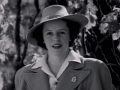
1942
The Women Jurors Act provided for women aged between 25 and 60 to have their names placed on the jury list on the same basis as men – if they so desired.
1943
New Zealanders of 8 Brigade, 3 New Zealand Division, helped their American allies clear Mono Island in the Solomons of its Japanese defenders. Forty lost their lives in weeks of fierce fighting.

1835
Thirty-four northern chiefs signed He Whakaputanga (a declaration of independence) at a hui called by the British Resident, James Busby.
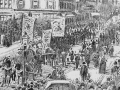
1890
The first Labour Day celebrated the struggle for an eight-hour working day. Parades in the main centres were attended by several thousand trade union members and supporters.
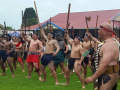
2019
The pōwhiri for Te Pūtake o Te Riri, He Rā Maumahara, an annual commemoration of Ngā Pakanga o Aotearoa (the New Zealand Wars), was hosted by Taranaki iwi at Ōwae Marae in Waitara.
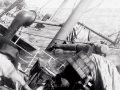
1894
It remains the third deadliest shipwreck ever in New Zealand waters: 121 lives were lost when the steamer Wairarapa struck Miners Head, the north-west point of Great Barrier Island, 90 km north-east of Auckland.
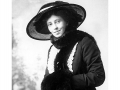
1919
The passing of the Women’s Parliamentary Rights Act enabled women to stand for election to the House of Representatives, 26 years after they won the right to vote.
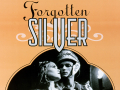
1995
Peter Jackson and Costa Botes' documentary about Colin McKenzie, a forgotten hero of early New Zealand movie-making, was later revealed as the biggest Kiwi film hoax of the century.
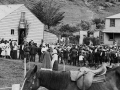
1865
The Native Land Court was one of the key products of the Native Lands Act 1865. It enabled the conversion of traditional communal landholdings into individual titles, making it much easier for Pākehā to purchase Māori land.
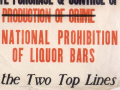
1918
Prohibition supporters presented Parliament with a petition containing more than 240,000 signatures demanding an end to the manufacture and sale of alcohol in New Zealand.
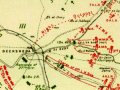
1917
The New Zealand Mounted Rifles Brigade played a key part in the capture of Beersheba, a turning point in the struggle for the Middle East in the First World War
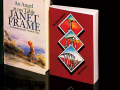
1985
When Keri Hulme’s first novel, The bone people, won the Booker Prize in 1985, it was not only New Zealand’s first Booker, but the first debut novel ever to win the prestigious award.
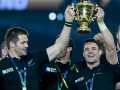
2015
The All Blacks defeated Australia 34-17 at London's Twickenham stadium to become the first team to win back-to-back Rugby World Cup competitions, and the first to win the title three times.