Signing details
Signature number
28
Signed as
Warau
Probable name
Wharau
Iwi/Hapū
Ngāpuhi, Ngāti Wai, Te Whānau Horo, Ngāti Tokawhero
1835 residence
Unknown
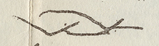
Tohu (signature)
Image
Unfortunately, there are few references to Wharau in published sources. One gives his 1835 residence as Mangakāhia, while another suggests the east-coast harbour of Whangaruru was his home. Te Ngere – who signed He Whakaputanga after Wharau – is also said to be from Whangaruru, which suggests they signed together on 28 October 1835. Interestingly, on 6 February 1840 Wharau and Te Ngere also signed Te Tiriti o Waitangi together – and in the same order.
Further information