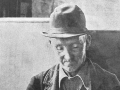
A world first, the act gave a small means-tested pension to elderly men and women with few assets who were ‘of good moral character’ and were leading a ‘sober and reputable life’. It was one of the major achievements of Richard Seddon’s Liberal government.
Month Calendar View
Historic NZ events in November
1944
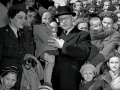
Over 800 Polish refugees seeking safety from war-torn Europe disembarked in Wellington. For the 733 children and 102 adults it was the end of a long and perilous journey.
1868
On 2 November 1868, New Zealand discarded its numerous local times and became the first country to regulate its time in relation to Greenwich mean time (GMT).
1942
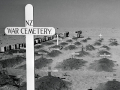
At El Alamein in Egypt, 2 New Zealand Division opened the way for British tanks, allowing the Allies to make a breakthrough and force the Axis forces in North Africa to retreat.
1863
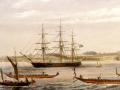
On 3 November, HMS Miranda attempted to land boats at Pūkorokoro, a kāinga on the south-western corner of the Firth of Thames.
1886
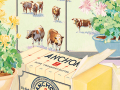
From a dairy factory at Pukekura, Waikato, Henry Reynolds launched Anchor butter. The brand name, allegedly inspired by a tattoo on the arm of one of his workers, would become one of this country’s best-known trademarks.
1886
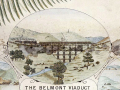
Built by the privately owned Wellington and Manawatu Railway Company (WMR), the line helped open the Kāpiti Coast, Horowhenua and Manawatū to European settlement.
1974
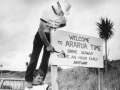
The trial proved popular with most New Zealanders and daylight saving of one hour between October and March was made permanent in 1975.
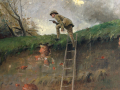
1918
By early November 1918 Germany stood alone against the Allies and revolution was breaking out behind the lines. But the German army was still resisting on the Western Front, and the New Zealanders’ capture of the walled northern French town of Le Quesnoy was a bold feat of arms.
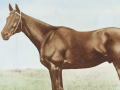
1930
Ridden by Jimmy Pike, the New Zealand-bred (but Australian-owned) wonder-horse beat Second Wind by two lengths to claim one of his greatest victories.
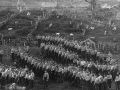
1881
About 1600 troops invaded the western Taranaki settlement of Parihaka, which had come to symbolise peaceful resistance to the confiscation of Māori land.
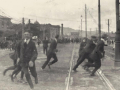
1913
The ‘Battle of Featherston Street’, in downtown Wellington, saw some of the most violent street fighting of the 1913 Great Strike.
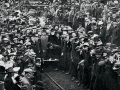
1908
Prime Minister Sir Joseph Ward ceremonially opened the North Island main trunk railway line by driving home a final polished silver spike at Manganuioteao, between Waimarino (National Park) and Ohakune.
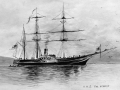
1848
Captained by John Lort Stokes, the paddle steamer Acheron spent four years charting the New Zealand coastline.
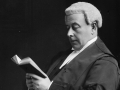
1912
The Public Service Act was passed into law, creating a framework for New Zealand’s bureaucracy that was to endure until 1988. The Act was the brainchild of lawyer Alexander Herdman, a senior minister in the new Reform Party government.
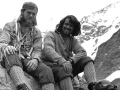
1970
Long-haired Christchurch mountaineers John Glasgow and Peter Gough became the first people known to have scaled the 2000-m Caroline Face of Aoraki/Mt Cook. They declared it a ‘triumph for the hippies’.
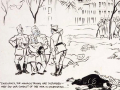
1936
Griff Maclaurin and Steve Yates were part of the International Column of anti-fascist volunteers which marched into Madrid to bolster the city's defences against the assault of General Francisco Franco's rebel armies. Both men were killed in battle within two days of arriving
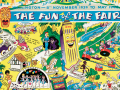
1939
More than 2.6 million people visited the New Zealand Centennial Exhibition, which ran for six months at Rongotai, Wellington. It was the centrepiece of the centennial of the signing of the Treaty of the Waitangi.
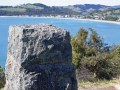
1769
James Cook helped his astronomer Charles Green observe the transit of Mercury at Te Whanganui-o-Hei (Mercury Bay), Coromandel Peninsula.
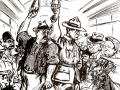
1920
The Immigration Restriction Amendment Act 1920 required intending immigrants to apply for a permanent residence permit before they arrived in New Zealand.
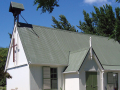
1868
The Matawhero ‘massacre’ was Te Kooti’s utu (revenge) for his 1866 exile to the Chatham Islands, and subsequent events.
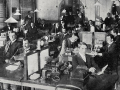
1871
Events in 1870-71 led Otago Daily Times editor George Barton to claim in his newspaper that the government had been intercepting telegraphs for political gain.
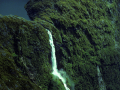
1880
The renowned backwoodsman Donald Sutherland 'discovered' the waterfall that bears his name near what is now the Milford Track – New Zealand’s best-known walking track.
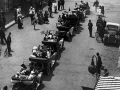
1918
The 11th hour of the 11th day of the 11th month was the moment when hostilities ceased on the Western Front in 1918, following the signing of an armistice.
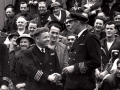
1942
The Union Steam Ship Company of New Zealand’s sleek 13,482-ton trans-Tasman liner Awatea, launched in 1936, was one of the finest and fastest ships of its size in the world at the outbreak of the Second World War.
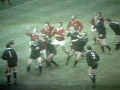
1978
With two minutes to play in a rugby test match against Wales, All Black lock Andy Haden flung himself sideways in an attempt to secure a match-winning penalty.
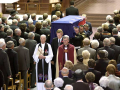
2004
On Armistice Day, 11 November 2004, an unknown warrior was buried in front of the Hall of Memories at the National War Memorial in Wellington.
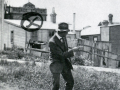
1912
Striking worker Fred Evans was badly injured in the Bay of Plenty goldmining town of Waihī. He died next day.
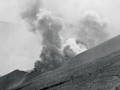
1896
At 12.40 p.m. on 13 November 1896, Te Maari, a crater at the northern end of the Tongariro range, erupted spectacularly. It continued to erupt sporadically for nearly a year.
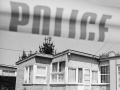
1990
The small seaside township of Aramoana, near Dunedin, was the scene of what was then the deadliest mass murder in New Zealand history.
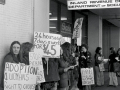
1973
The passage of the Social Security Amendment Act introduced the domestic purposes benefit (DPB) to New Zealand’s social welfare system.
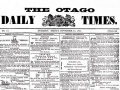
1861
Dunedin became the first New Zealand town with a daily newspaper when the first issue of the Otago Daily Times was published.
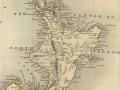
1840
New Zealand became a separate colony within the British Empire. North, South and Stewart islands were to be known respectively as the provinces of New Ulster, New Munster and New Leinster.
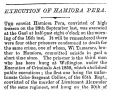
1869
Hamiora Pere was hanged at the Terrace Gaol, Wellington. He is the only New Zealander to have been executed after being convicted of treason.
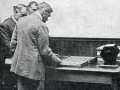
1916
The Military Service Act passed on 1 August 1916 had made all healthy New Zealand men of military age (20 to 45) liable for active service overseas.
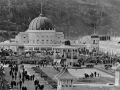
1925
Governor-General Sir Charles Fergusson opened Dunedin’s New Zealand and South Seas International Exhibition in November 1925.
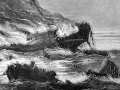
1874
En route to Auckland laden with immigrants, the Cospatrick caught fire off the Cape of Good Hope. The tragedy has been described as New Zealand's worst civil disaster.
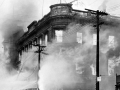
1947
The fire in Christchurch’s prestigious department store was the deadliest in New Zealand’s history.
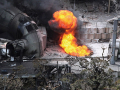
2010
The mine exploded at 3.44 p.m. on Friday 19 November 2010. Twenty-nine of the 31 men underground died immediately or soon afterwards from the blast or because of the toxic atmosphere this generated.
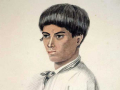
1841
Maketū Wharetōtara, the 17-year-old son of the Ngāpuhi chief Ruhe, killed five people at Motuarohia in the Bay of Islands. In March 1842 he became the first person to be legally executed in this country.
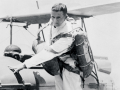
1937
George Sellars narrowly escaped serious injury when he was able to swing his parachute away from the glass roof of the Winter Gardens during the Farmers’ Christmas parade in Auckland.
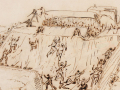
1863
More British soldiers and sailors were killed at ‘Bloody Rangiriri’ than in any other battle of the New Zealand Wars, but their eventual hard-fought victory opened the Waikato basin to the advancing imperial forces.
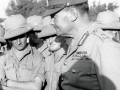
1939
British-born but New Zealand-raised, Lieutenant-General Sir Bernard Freyberg was a charismatic and popular military leader who later served as governor-general.
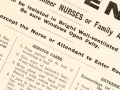
1918
No other event has killed so many New Zealanders in such a short time as the 1918 influenza pandemic.
1941
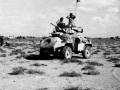
The attack was part of Operation Crusader, an ambitious attempt by the British Eighth Army to both recapture Tobruk and destroy General Erwin Rommel’s elite Afrika Korps.
1947
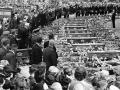
On 18 November 1947 Ballantynes, a Christchurch department store that was a local institution, was razed by the deadliest fires in New Zealand history. The bodies of the 41 victims were buried at Ruru Lawn Cemetery, Bromley, after a civic funeral five days later.
1986
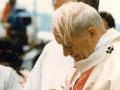
The first and so far only visit to New Zealand by a Bishop of Rome was significant for both Catholics and the wider community.
1959
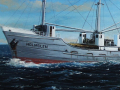
All hands were lost when the modern coastal freighter Holmglen foundered off the South Canterbury coast. The cause of the tragedy was never established.
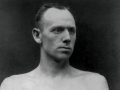
1903
By winning the light-heavyweight championship, Timaru boxer Bob Fitzsimmons became the first man to have won world professional boxing titles in three weight divisions.
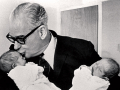
1960
Keith Holyoake led the National Party to victory over Walter Nash’s Labour government. He went on to become New Zealand’s third longest-serving prime minister, behind Richard Seddon and William Massey.
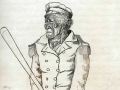
1849
The formidable Ngāti Toa leader had dominated Te Moana-o-Raukawa - the Cook Strait region - from his base at Kāpiti Island for nearly 20 years.
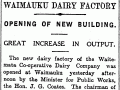
1924
The facility was built to serve 350 farmers from Kaukapakapa to Avondale and was capable of producing up to 600 tons a year (rising to 1000 tons with additional plant).
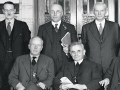
1935
The 1935 general election has long been seen a defining moment in New Zealand history. Undermined by its failure to cope with the distress of the Depression, the Coalition (‘National’) government was routed by the Labour Party, led by Michael Joseph Savage.
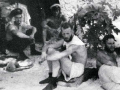
1940
The 16,712-ton New Zealand Shipping Company liner Rangitane was intercepted and sunk 550 km off East Cape, with the loss of 15 lives.
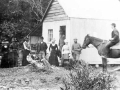
1893
New Zealand women went to the polls for the first time, just 10 weeks after the governor signed the Electoral Act 1893, making this country the first in in which women had the right to vote in parliamentary elections.
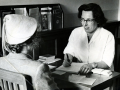
1953
New Zealand’s first family planning clinic opened above a garage in Remuera, Auckland.
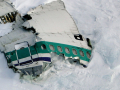
1979
On the morning of 28 November 1979, Air New Zealand Flight TE901 left Auckland for an 11-hour return sightseeing flight to Antarctica. At 12.49 p.m. (New Zealand Standard Time), the aircraft crashed into the lower slopes of Mt Erebus, killing all 257 passengers and crew.
2008
An Air NZ Airbus A320 crashed off the coast of France. All seven people on board, including five New Zealanders, were killed. It was 29 years to the day since Air NZ Flight TE901 had crashed in Antarctica, killing all 257 on board
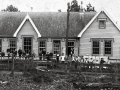
1877
The Education Act 1877 established free, compulsory and secular education for all Pākehā New Zealand children. Māori children could attend these schools if their parents wanted them to.
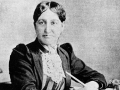
1893
By becoming mayor of Onehunga, Auckland, Elizabeth Yates struck another blow for women’s rights in local-body polls held the day after the first general election in which women could vote.
1949
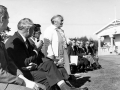
Iriaka Rātana was elected as New Zealand’s first female Māori MP.
1949
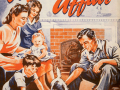
The Labour government led by Peter Fraser was defeated by Sidney Holland’s National Party after 14 years in office. The result heralded a long period of National dominance, with the party holding power for 29 of the next 35 years.