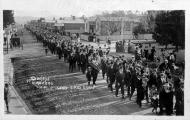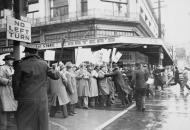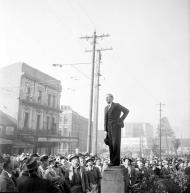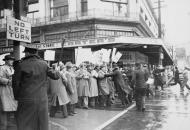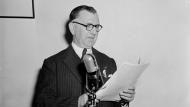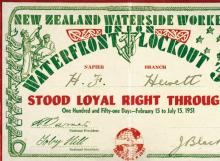
The waterfront dispute of 1951 was the biggest industrial confrontation in New Zealand’s history, lasting for five months, from February to July. At its peak, 22,000 waterside workers and other unionists were off the job.
Strikes
Events In History
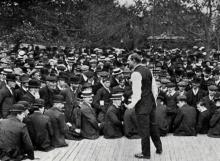
20 December 1913
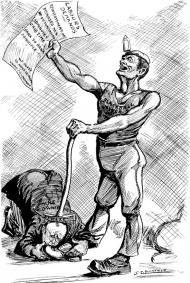
The Great Strike of 1913, which had begun in late October when Wellington waterside workers stopped work, finally ended when the United Federation of Labour conceded defeat.
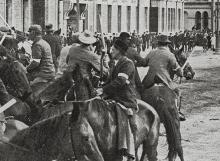
24 October 1913
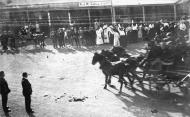
Violent clashes between unionised waterside workers and non-union labour erupted two days after Wellington’s ‘wharfies’ held a stopwork meeting in support of striking shipwrights.
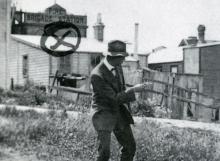
12 November 1912
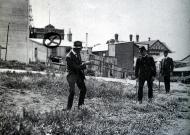
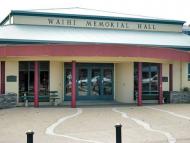
Striking worker Fred Evans was badly injured in the Bay of Plenty goldmining town of Waihī. He died next day.
Articles
The 1912 Waihi strike
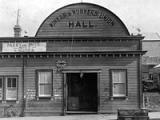
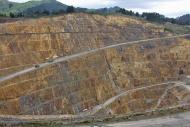
On 'Black Tuesday', 12 November 1912, in the midst of a bitter six-month strike by miners in the small New Zealand goldmining town of Waihi, striker Fred Evans was killed - one of only two fatalities in an industrial dispute in New Zealand's history. Read the full article
Page 1 - 'Black Tuesday'
On 'Black Tuesday', 12 November 1912, in the midst of a bitter six-month strike by miners in the small New Zealand goldmining town of Waihi, striker Fred Evans was killed - one of
Page 2 - Further information
Find out more about the Waihi
The 1951 waterfront dispute
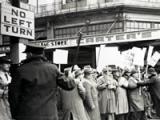
The 1951 waterfront dispute was the biggest industrial confrontation in New Zealand’s history. Although it was not as violent as the Great Strike of 1913, it lasted longer – 151 days, from February to July – and involved more workers. Read the full article
Page 1 - The 1951 waterfront dispute
The 1951 waterfront dispute was the biggest industrial confrontation in New Zealand’s history. Although it was not as violent as the Great Strike of 1913, it lasted longer – 151
Page 2 - Countdown to confrontation
New Zealanders generally accepted the hardships and restrictions of the war years as necessary in the fight against fascism. After the war, though, many began to demand a greater
Page 3 - War on the wharves
With New Zealand’s vital export trade at stake when the wharves came to a standstill, the government declared a state of emergency on 21
Page 4 - Division and defeat
The watersiders’ militancy had isolated them from most unionists and Walter Nash’s Labour Party Opposition sat uncomfortably on the fence, denouncing government repression but
Cook Strait rail ferries

On a fine, calm day ‘Cruising on the Interislander’ can be like a luxury Mediterranean cruise. But on a bad day Cook Strait can be one of the world's roughest stretches of water: seasickness, dodgy food and wildcat strikes have all been part of the colourful Cook Strait ferry story. Read the full article
Page 6 - Strikes and strandings
Cook Strait ferries were vital to the flow of freight and passengers between the North and South islands, and interruptions because of bad weather, mechanical problems or
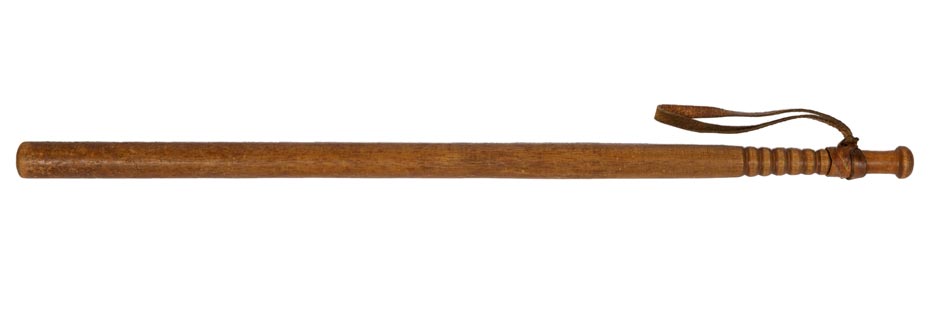
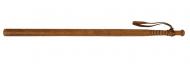
Main image: Wooden riot baton
General issue New Army riot baton thought to have been used during Japanese Occupation Force (J Force) operations 1946-1948 and the 1951 waterfront dispute.