David Lange was New Zealand's youngest prime minister of the 20th century. Renowned for his sharp wit and oratory, he led the fourth Labour government from 1984 until 1989.
Labour Party
Events In History
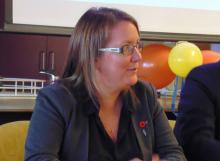
29 July 2003
Twenty-nine-year-old Moana Mackey entered the House of Representatives as a Labour Party list MP. She joined her mother, Janet Mackey, who had been a Labour MP since 1993. They were the first mother and daughter to serve together in New Zealand’s Parliament.
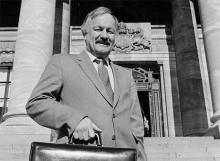
1 October 1986
Adding 10 per cent to the cost of most goods and services, GST was a key part of the economic reforms of the fourth Labour government – dubbed ‘Rogernomics’ after Minister of Finance Roger Douglas.
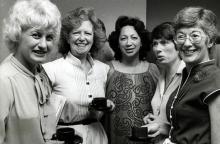
26 July 1984
Ann Hercus became New Zealand’s first Minister of Women’s Affairs following the election of the fourth Labour government.
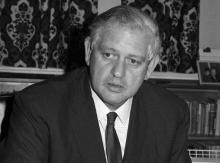
31 August 1974
Leader of the Labour Party since 1965 and prime minister since late 1972, 'Big Norm' died suddenly at the age of 51. He was the fifth New Zealand PM to die in office.
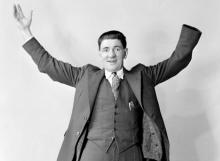
25 March 1940
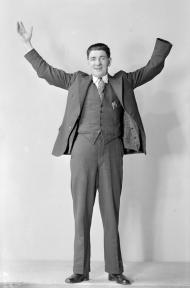
A charismatic ex-soldier, orator and writer, John A. Lee had been active in the New Zealand Labour Party since shortly after the First World War.

14 September 1938
The cornerstone of the first Labour government’s welfare programme, the Social Security Act overhauled the pension system and extended benefits for families, invalids and the unemployed.
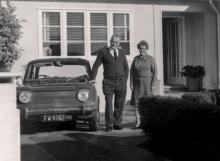
18 September 1937
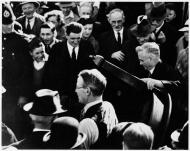
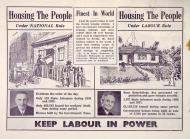
Most of the Labour Cabinet helped the first tenants move into 12 Fife Lane in Miramar, Wellington. Even Prime Minister Michael Joseph Savage carried a cumbersome dining table through a cheering throng.
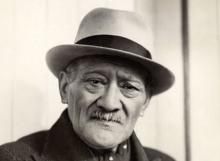
22 April 1936
The alliance between the Rātana Church and the Labour Party was cemented at an historic meeting between Tahupōtiki Wiremu Rātana and Prime Minister Michael Joseph Savage.
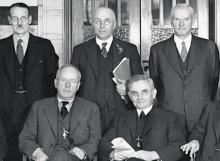
27 November 1935
The 1935 general election has long been seen a defining moment in New Zealand history. Undermined by its failure to cope with the distress of the Depression, the Coalition (‘National’) government was routed by the Labour Party, led by Michael Joseph Savage.
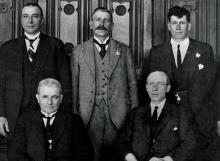
7 July 1916
What is now New Zealand’s oldest political party emerged from a joint conference in Wellington of the United Federation of Labour, the Social Democratic Party (SDP) and local Labour Representation Committees (LRCs).
Articles
State housing
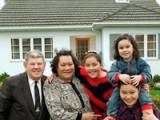
New Zealand's first state house was formally opened on 18 September 1937. But the government has provided rental housing for New Zealanders for more than a century. Explore the history of this country's various state housing schemes and their contribution to the New Zealand way of life. Read the full article
Page 2 - The first state house
Prime Minister Savage helped out at the opening of the Labour government's first state house in 1937 at 12 Fife Lane, Miramar,
Page 3 - The state steps in and out
The National government introduced full market rents in 1991 to reduce the state role in housing provision. From the start, public debate over state housing policy in New Zealand
Page 4 - Designing communities
Community has many different meanings. People might live in a particular community, but have little contact with their neighbours, preferring instead to pursue their social life
Homosexual law reform
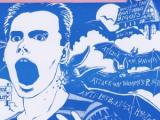
The homosexual law reform campaign moved beyond the gay community to wider issues of human rights and discrimination. Extreme viewpoints ensured a lengthy and passionate debate before the Homosexual Law Reform Act was passed in July 1986. Read the full article
Page 4 - Reforming the law
To bring about change in the law, the gay movement needed a parliamentary champion. It found one in Labour MP Fran
1981 Springbok tour
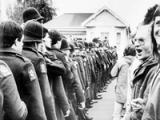
For 56 days in July, August and September 1981, New Zealanders were divided against each other in the largest civil disturbance seen since the 1951 waterfront dispute. The cause of this was the visit of the South African rugby team – the Springboks. Read the full article
Page 4 - Stopping the 1973 tour
Keeping sport and politics separate was becoming increasingly difficult. In July 1969 HART (Halt All Racist Tours) was founded by University of Auckland students with the specific
The 1951 waterfront dispute
The 1951 waterfront dispute was the biggest industrial confrontation in New Zealand’s history. Although it was not as violent as the Great Strike of 1913, it lasted longer – 151 days, from February to July – and involved more workers. Read the full article
Page 1 - The 1951 waterfront dispute
The 1951 waterfront dispute was the biggest industrial confrontation in New Zealand’s history. Although it was not as violent as the Great Strike of 1913, it lasted longer – 151
Page 2 - Countdown to confrontation
New Zealanders generally accepted the hardships and restrictions of the war years as necessary in the fight against fascism. After the war, though, many began to demand a greater
Page 4 - Division and defeat
The watersiders’ militancy had isolated them from most unionists and Walter Nash’s Labour Party Opposition sat uncomfortably on the fence, denouncing government repression but
New Zealand's administration of Samoa, 1920-35

New Zealand was ill-equipped to cope with the Western Samoa mandate it was allocated by the League of Nations in 1920. The Mau movement's passive resistance culminated in the violence of 'Black Saturday', 28 December 1929, which left 11 Samoans and one New Zealand policeman dead. Read the full article
Page 8 - Towards independence
On 4 June 2002, New Zealand Prime Minister Helen Clark offered 'a formal apology to the people of Samoa for the injustices arising from New Zealand's administration of Samoa in
The 1970s

The 1970s were an era of economic and social change. Global oil shocks hit the New Zealand economy hard, while protests against the Vietnam War and nuclear testing continued. A new generation of activists raised questions about race relations, sexuality and the welfare system in New Zealand. Read the full article
Page 2 - Overview
Summary of what NZ was like in the 1970s, including our population, economy, popular culture, protest issues, politics and sporting
The 1913 Great Strike
The Great Strike of 1913 was in fact a series of strikes between mid-October 1913 and mid-January 1914. It was one of New Zealand’s most violent and disruptive industrial confrontations. Read the full article
Page 7 - The defeat of the 1913 strike
The seizure of the wharves in Wellington and Auckland greatly reduced the strikers’ industrial power. Similar takeovers by ‘scab’ arbitration unions soon happened in other
Women Together
Labour Women's Council
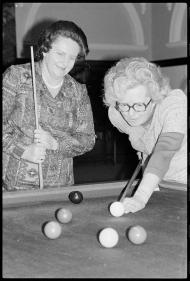
The goals of the Labour Women's Council were to stimulate the interest of women joining and otherwise participating in the Party Read the full Women Together Essay
Biographies
In 1972 Norman Kirk broke National’s 12-year-long grip on the Treasury benches and became Labour’s first New Zealand-born PM.
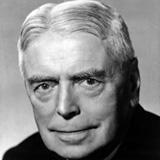
At almost 76, Walter Nash was New Zealand’s oldest incoming PM and the last foreign-born one. He had two wives, Lotty and Parliament. He was still an MP when he died aged 86.
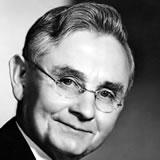
Michael Joseph Savage, New Zealand’s first Labour PM, was probably also it's best-loved. His avuncular image hung in the homes of the Labour faithful for decades.
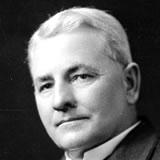
Harry Holland was an Australian-born radical who led the Labour Party from 1919 until his death in 1933. Holland's socialism was described as 'emotional, not intellectual'. He believed socialism would overcome society's problems.
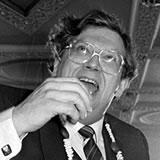
Seven years and one stomach-stapling operation after entering Parliament in 1977, David Lange became PM at the age of 41.
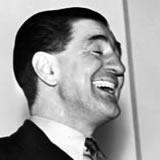
A charismatic ex-soldier, orator and propagandist, John A. Lee was a dynamic figure in the Labour Party from the 1920s until 1940, when he was expelled for attacking the leadership of M.J. Savage.
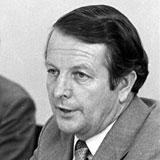
Norman Kirk’s death in office brought Bill Rowling to the prime ministership unexpectedly in August 1974. A member of an old Tasman Bay farming family, and a teacher by training, he had been finance minister since 1972.
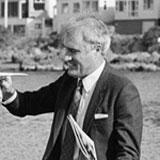
Geoffrey Palmer, the hardworking, loyal deputy who became PM when David Lange resigned dramatically in August 1989, knew that Labour was doomed. ‘What I got from Lange was a hospital pass.’
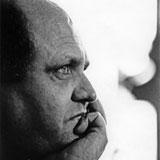
In September 1990, just weeks from an election Labour seemed certain to lose, the caucus made Mike Moore New Zealand’s third PM in 13 months.

Jenny Shipley may have been our first female PM, but Helen Clark was the first elected one. In 2008 she became our fifth longest-serving PM and Labour’s first to win three consecutive elections.
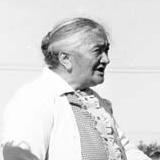
The first Māori woman to be elected to Parliament, Iriaka Matiu Rātana was a passionate advocate for the welfare of her people.
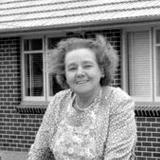
In 1947, 14 years after Elizabeth McCombs had become the first woman MP, and more than half a century after women had won the vote, Mabel Howard became New Zealand’s first woman Cabinet minister.

New Zealand’s third female PM, and at 37 our youngest leader since Edward Stafford in 1856, Jacinda Ardern enjoyed perhaps the most meteoric rise to power of any New Zealand PM

Following Jacinda Ardern’s resignation in January 2023 – nine months before that year’s general election was to be held – Chris Hipkins was the sole nominee to succeed her as Labour Party leader and Prime Minister.
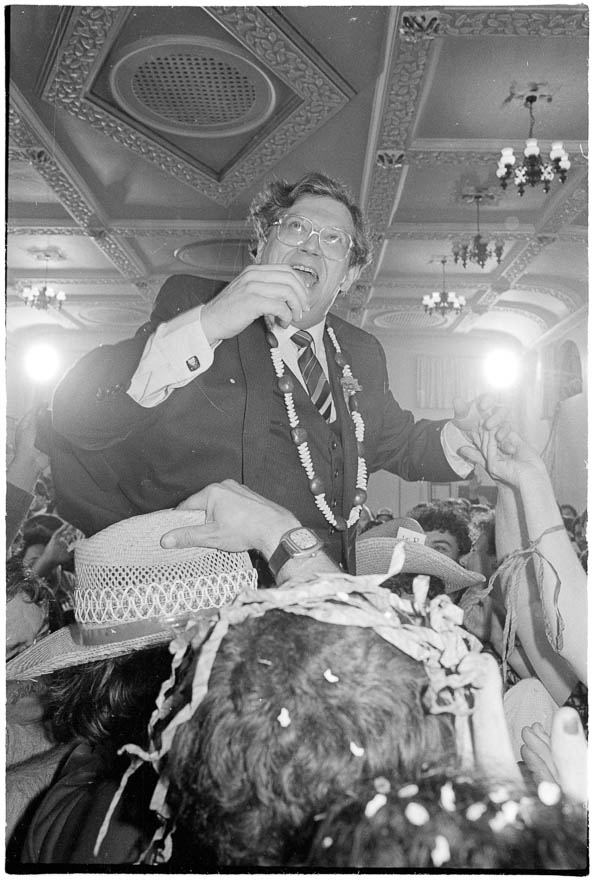
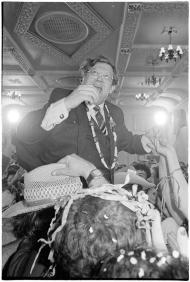
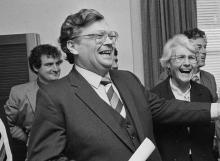
Main image: David Lange celebrating 1984 election victory
Jubilant Labour supporters hoist leader David Lange into the air on the night of the snap election on 14 July 1984.