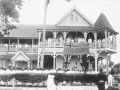
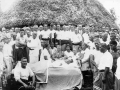
New Zealand was ill-equipped to cope with the Western Samoa mandate it was allocated by the League of Nations in 1920. After occupying German Samoa at the outbreak of the First World War, the New Zealand administration was blamed for mishandling the 1918 influenza pandemic, which killed more than one-fifth of the local population.
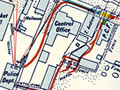
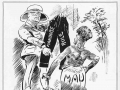
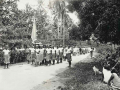
In response to the policies of a tactless and authoritarian colonial administration, many of Samoa's inhabitants joined the League of Samoa, an opposition movement known as the Mau. Tensions caused by the Mau's passive yet effective resistance erupted on 28 December 1929 — 'Black Saturday' — into violence that claimed the lives of eight Samoans and a New Zealand policeman. For many Samoans, the actions of New Zealand officials in the weeks that followed this tragedy heightened a deep sense of injustice.
In 2002, New Zealand's Prime Minister, Helen Clark, visited Samoa. Her formal apology for the mistakes made during New Zealand's early administration brought some closure to an uncomfortable chapter of the country's history.
See also features about: