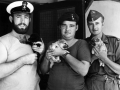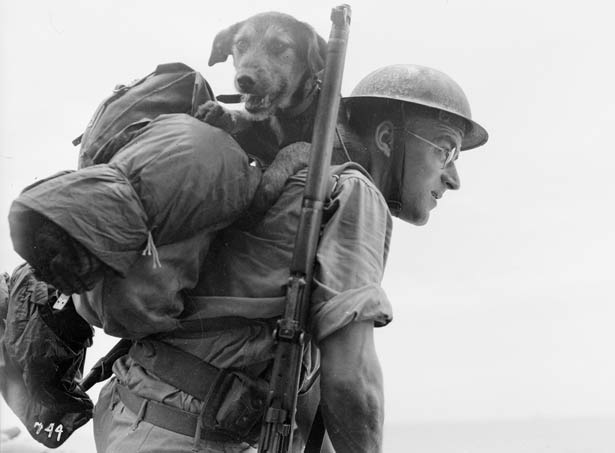
Military mascots are animals kept by the armed forces for ceremonial purposes, as emblems of particular units, or simply for companionship. Many New Zealand military units, especially during the world wars, acquired unofficial mascots through various means. Dogs were the most common companions, but cats, donkeys, monkeys, lizards, pigs, goats and birds were also adopted as mascots.
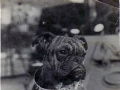
Although some animals went to war with their owners, most mascots were strays picked up along the way. Many were only temporary companions, but some served through entire campaigns. A few, such as the First World War Red Cross dog Caesar, combined the role of mascot with other duties. Dogs were especially useful in helping stretcher-bearers find wounded soldiers in no man's land at night, a role Caesar performed during the Battle of the Somme in 1916.
New Zealand's best-known Second World War mascot was Major Major, No. 1 Dog of 2NZEF and regimental mascot of 19 Battalion and Armoured Regiment. He died of illness at Rimini in Italy in December 1944 and was buried with full military honours.
In 2018, a memorial to animals in war was unveiled at the National Army Museum in Waiōuru on 24 February, the date that has been adopted for the annual commemoration of war animals in New Zealand and Australia.