Normalising relations
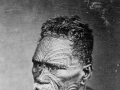
It was clear by the 1870s that the Kīngitanga was no longer capable of fighting a war. Attempts were made to improve relations between the king and the colonial government. Tāwhiao met Native Minister Donald McLean at Waitomo in 1875. Land on the west bank of the Waikato River was on offer if Tāwhiao took the oath of allegiance – a deal the king rejected.
In 1878 George Grey, who was now the premier, attended the Maehe, an annual hui at which Kīngitanga subjects renewed their allegiance and their commitment to opposing land-selling. Grey's presence was viewed as another step towards normalising relations with the government while retaining the aims of the Kīngitanga.
Of greater significance to settlers and the government was the formal act of peace made by the King movement in 1881 at Alexandra (Pirongia). Tāwhiao and 500 supporters appeared before the resident magistrate, Major William Mair, and laid down their weapons. This was quickly followed by another attempt to persuade Tāwhiao to take the oath of allegiance and open the King Country to settlement. The king was offered a pension, a position as a legislative councillor, the return of 20,000 acres (8100 hectares) of confiscated land and a furnished house. Tāwhiao refused this offer and continued to bargain for independent authority and the return of all confiscated land.
In 1892 Tāwhiao initially accepted a new offer of a government pension, arguing that this would test the sincerity of the government's promise that he could retain the title of king and control local Māori affairs. But other Waikato leaders expressed outrage and he was forced to turn down the offer.
New initiatives and rebuilding
In 1884 Tāwhiao led a deputation to England to petition Queen Victoria for an independent Māori parliament and a commission of inquiry into the land confiscations. He stressed that the Kīngitanga was not separatist and did not reject the Queen's authority. It was, rather, an attempt to unify Māori so that they might more effectively claim the Queen's protection. In his view the Māori king and the British queen could peacefully coexist, with God over both. Māori felt they had a special relationship with their Treaty partner, Queen Victoria, and believed they had a right to meet her in person. Instead the delegation met Lord Derby of the Colonial Office, who referred the petition back to the New Zealand government on the grounds that the imperial government no longer had responsibility for such matters. The colonial government duly dismissed it.
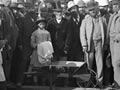
From 1886, 'King committees' at Whatiwhatihoe, Kāwhia, Aotea, Thames and Ōhinemuri functioned as local authorities within Kīngitanga territory. They issued summonses, heard cases, opposed surveys and wherever possible blocked government public works. They also opposed implementation of the decisions of any local committees set up under the Native Committees Act 1883.
A petition to the Native Minister calling for a Māori legislative council was countered by another offer to Tāwhiao of a seat in the colonial Legislative Council. The Kīngitanga now made plans for its own parliament, the Kauhanganui, which was set up at Maungakawa, near Cambridge, in 1889 or 1890. The Kauhanganui enabled Tāwhiao to communicate with his subjects through tribally appointed delegates.