
Te Rārawa leader and woman of mana Dame Whina Cooper spent her whole life fighting for Māori land rights. As a 79-year old she led Māori land protest marchers as they walked from Te Hāpua (in the far north) to Parliament, arriving on 13 October 1975.
Hikoi
Articles
Waitangi Day
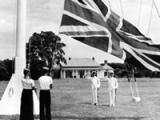
Every year on 6 February, New Zealand marks the signing of the Treaty of Waitangi in 1840. For most people, Waitangi Day is a holiday; for many, and especially for Māori, it is a time for reflecting on the Treaty and its place in modern New Zealand. Read the full article
Page 6 - Waitangi Day 1980s
The 1980s brought changes in the way Waitangi Day was marked officially, as well as growing Māori
The Treaty in practice
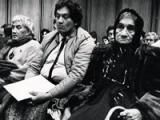
Amalgamating Māori into colonial settler society was a key part of British policy in New Zealand after 1840. Economic and social change, along with land-purchase programmes, were central to this process. Read the full article
Page 6 - The Treaty debated
Modern New Zealand has debated the Treaty of Waitangi as never before. Understanding, reconciliation, protest and confrontation have been part of this
Biographies

Māori on their long march from Northland to Wellington – Te Rōpū Matakite o Aotearoa – arrive in Parliament grounds on 13 October 1975.