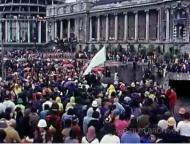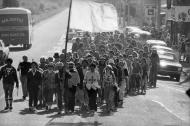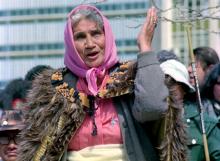
About 5000 marchers arrived at Parliament and presented a petition signed by 60,000 people to Prime Minister Bill Rowling. The primary aim of the hīkoi (march) was to protest against the continuing loss of Māori land.
Maori Land
Events In History
23 September 1887
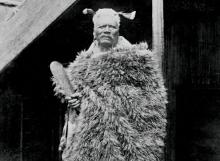
In February 1887 newspapers reported Ngāti Tūwharetoa’s proposal to ‘gift’ the British Crown the mountaintops of Tongariro, Ngāuruhoe and Ruapehu to form the basis of a national park.
30 October 1865
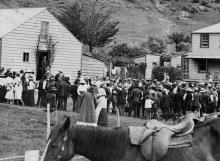
The Native Land Court was one of the key products of the Native Lands Act 1865. It enabled the conversion of traditional communal landholdings into individual titles, making it much easier for Pākehā to purchase Māori land.
Articles
Scenery preservation 1903-1953
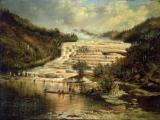
Premier Richard Seddon outlined his vision for 'God's own country' in 1903 as he steered the Scenery Preservation Act through Parliament. This act was an important landmark in preserving New Zealand's natural and historic heritage. Read the full article
Page 7 - Māori and scenic reserves
Initially Māori had mixed feelings about the Scenery Preservation Act. The Member of Parliament for Northern Maori, Hōne Heke Ngāpua, welcomed it as a way to protect tōtara and
Māori King movement origins

In May 2008, thousands of Māori gathered at Ngāruawāhia to celebrate the 150th anniversary of the formation of the Kīngitanga, or Māori King Movement. Read the full article
Page 3 - The land issue
Pressure to sell land was a key factor in the creation of the Kīngitanga. Before European settlement Māori had no concept of selling land and few chiefs had the authority to gift
The Treaty in practice
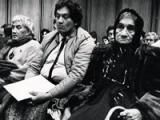
Amalgamating Māori into colonial settler society was a key part of British policy in New Zealand after 1840. Economic and social change, along with land-purchase programmes, were central to this process. Read the full article
Page 1 - The Treaty in practice
Amalgamating Māori into colonial settler society was a key part of British policy in New Zealand after 1840. Economic and social change, along with land-purchase programmes, were
Page 2 - Slide to war
War raged in the North Island in the mid-19th century. The period from 1860, when conflict broke out in Taranaki, through to about 1872, is commonly called the New Zealand Wars.
Page 3 - Obtaining land
How to obtain land for European settlement was always a key issue in New Zealand. With the wars of the 1860s, a new legal system backed up conquest as a means of gaining Māori
Page 6 - The Treaty debated
Modern New Zealand has debated the Treaty of Waitangi as never before. Understanding, reconciliation, protest and confrontation have been part of this
Treaty timeline
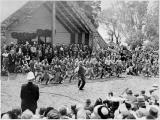
See some of the key events between 1800 and 1849 relating to the Treaty of Waitangi. Read the full article
Page 1 - Treaty events 1800-49
See some of the key events between 1800 and 1849 relating to the Treaty of Waitangi.
Page 2 - Treaty events 1850-99
See the key events between 1850 and 1899 relating to the Treaty of
Page 4 - Treaty events since 1950
Learn about some of the key events from 1950 onwards relating to the Treaty of
The Vogel era

In 1870, Colonial Treasurer Julius Vogel launched the most ambitious development programme in New Zealand’s history. The ‘Vogel era’ was a decisive moment in New Zealand’s 19th-century transformation from a Māori world to a Pākehā one. Read the full article
Page 1 - The Vogel era
In 1870, Colonial Treasurer Julius Vogel launched the most ambitious development programme in New Zealand’s history. The ‘Vogel era’ was a decisive moment in New Zealand’s
Page 3 - Vogel's vision
In June 1870, Vogel unveiled the most ambitious public works and assisted-immigration programme in New Zealand’s
Page 4 - Building Vogel's railways
Julius Vogel wasn’t the first colonial politician to promise to fund public works and immigration with borrowed money. But the early 1870s offered better prospects for
Page 5 - Vogel's legacy
After the initial enthusiasm of the 1870s, Julius Vogel’s reputation suffered in the 1880s when New Zealand’s economy slumped into a long depression that was triggered by an
Biographies
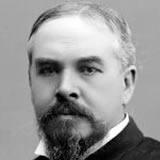
John Ballance, who led the Liberals to power in 1890, was called ‘the rainmaker’ by voters relieved to see the return of prosperity.
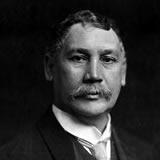
Cabinet Minister and twice acting Prime Minister, James Carroll’s main aim in Parliament was to empower Maori and secure a role for them in the economic life of the country.
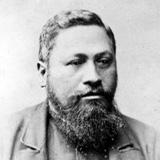
A member of the House of Representatives, Hōne Mohi Tāwhai became disillusioned in the settler-dominated Parliament and helped set up an alternative Māori Kotahitanga Parliament.
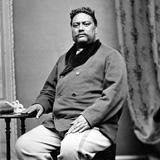
Ngāti Kahungunu leader Hēnare Tomoana was the first speaker (pīka) of the Māori Parliament in 1892.
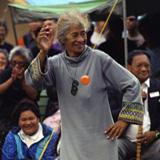
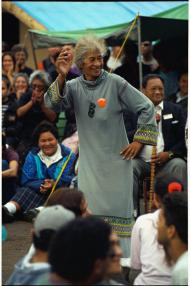
Eva Rickard was one of the most outspoken Māori land-rights campaigners of the 1970s.
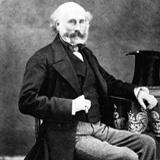
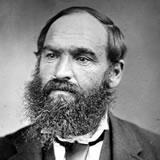
Native Minister who was in charge when 1600 troops invaded the settlement of Parihaka in November 1881
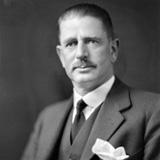
Gordon Coates seemed unbeatable. Tall and handsome, this affable war hero embodied modernity – he was the ‘jazz premier’. In 1925’s presidential-style election voters elected to take their ‘Coats off with Coates’.
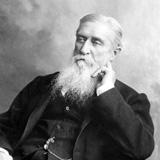
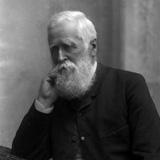
William Fox headed New Zealand governments four times. A rug-puller rather than a bridge-builder, he was better at defeating governments than leading them.

Earl Grey was Secretary of State for the Colonies from 1846 to 1852 who insisted that the vast bulk of New Zealand was unowned "waste land".
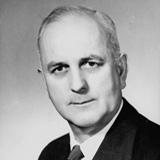
As Minister of Māori Affairs in the 1960s, Ralph Hanan generally showed understanding of Māori interests and aspirations.
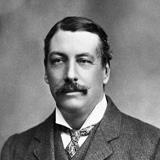
In 1912 William Herries became Minister of Native Affairs in the Massey government, an office he held until 1921.
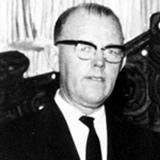
Jack Hunn commissioned a series of wide-ranging studies on Māori population, housing, education, employment, health, crime and land titles.
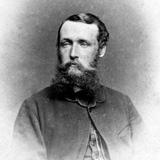
Served with distinction during the New Zealand Wars. Played a leading role in campaigns against Te Kooti, commanding an irregular contingent of loyalist Māori known as the Arawa Flying Column.
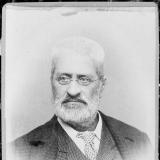
Naturalist and politician Walter Mantell spent much of his career trying seek to justice for South Island tribe Ngāi Tahu after the government failed to keep promises made during land deals with the tribe in the 1840s and 1850s.
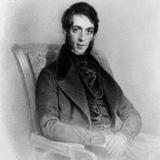
Appointed New Zealand's first chief justice, William Martin, persided over the murder trial of Maketū Wharetōtara, a Bay of Islands Māori charged with murdering the granddaughter of a leading Ngāpuhi chief, two European adults and a European child.
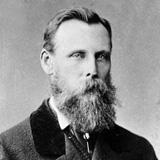
William Rees entered Parliament as an Auckland member from 1876 to 1879. He acted as counsel for Ngāti Porou of the East Coast in their claims involving dubious land purchases.
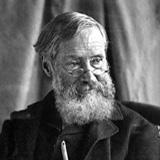
James Crowe Richmond, elected member of Parliament in 1860, believed it vital to defeat Māori opposition to European settlement.
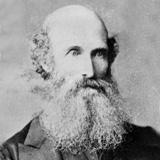
Politician and runholder, Henry R. Russell, supported Henare Matua's Hawke's Bay Repudiation movement, and funded the Te Wananga newspaper as well as the Napier repudiation office.
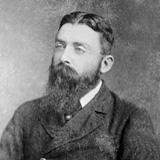
Lawyer John Sheehan, the first European New Zealand-born Parliamentarian, represented Māori in land claim cases. In the later part of his career, he damaged many of his relationships with Māori through bungled negotiations and his own incompetence.
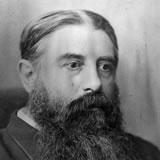
Premier Julius Vogel's great plan was to borrow heavily to build infrastructure and to lure migrants. It was controversial, but the money and migrants stimulated the economy and created a viable consumer market for producers.
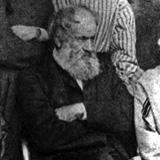
Lay missionary George Clarke reluctantly became "Chief Protector of Aborigines" in 1840, leading a department of sub-protectors whose role was to look after Maori interests.
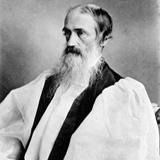
Octavius Hadfield, member of the Church Missionary Society, was, in 1838, the first priest to be ordained in New Zealand. He became Bishop of Wellington in 1870.
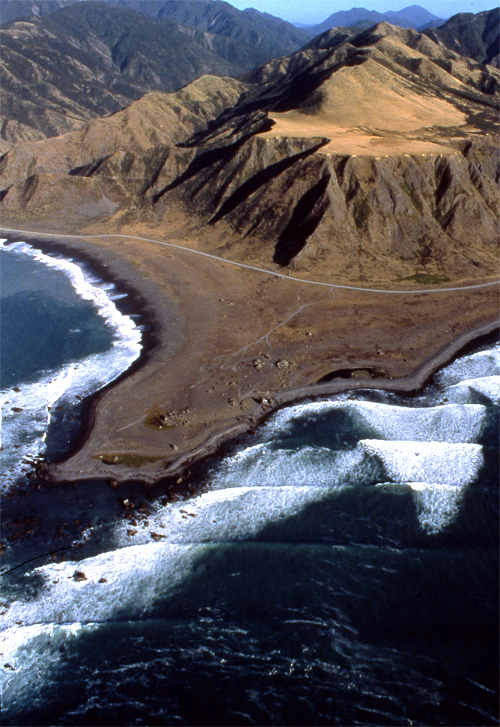
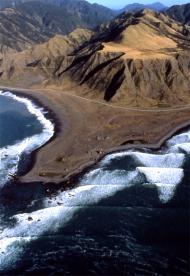
Main image: Palliser Bay
Climate change, natural disaster or environmental degradation may explain why Māori abandoned this coastal site about 400 years ago.