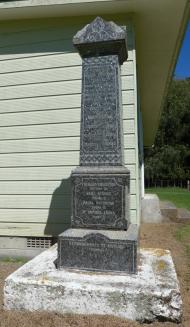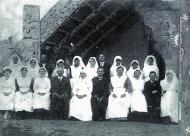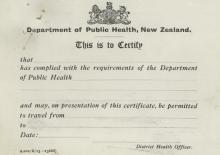
By the end of the year the epidemic, which was intoduced by a Mormon missionary, had killed 55 New Zealanders, all of them Māori.
Māori Health
Events In History
Articles
The 1918 influenza pandemic
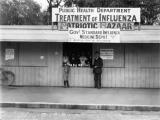
The lethal influenza pandemic that struck New Zealand between October and December 1918 killed about 9000 people in two months. No other event has claimed so many New Zealand lives in such a short time. Read the full article
Page 1 - The 1918 flu pandemic
The lethal influenza pandemic that struck New Zealand between October and December 1918 killed about 9000 people in two months. No other event has claimed so many New Zealand
Page 2 - The pandemic begins abroad
The 1918 influenza pandemic was commonly referred to as ‘the Spanish flu’, but it did not originate in
Page 4 - Uneven rates of death
No other event has killed so many New Zealanders in so short a space of time. While the First World War claimed the lives of more than 18,000 New Zealand soldiers over four years,
Page 5 - Response to the influenza pandemic
There was a degree of consistency in New Zealand's response to the influenza pandemic, thanks to a telegram the Health Minister, George Russell, issued to all borough councils and
Page 6 - Māori and the flu, 1918–19
Historian Geoffrey Rice suggests that higher death rates among Māori (more than eight times those for Pākehā) may have resulted from lower immunity due to their isolation from
Page 9 - South Island influenza death rates
Death rates in South Island towns and counties from the influenza
Life in the 20th century
Exploration of everyday life in New Zealand from 1900 to the mid-1980s Read the full article
Page 2 - All in a day's work
Work structures daily life, influencing when people eat, what they wear, how they take 'time
The Treaty in practice
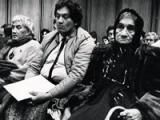
Amalgamating Māori into colonial settler society was a key part of British policy in New Zealand after 1840. Economic and social change, along with land-purchase programmes, were central to this process. Read the full article
Page 4 - Shared issues and approaches
Prospects for Māori looked bleak at the beginning of the 20th century. A shared sense of grievance emerged, and new leaders paved the way for new approaches to the
Women Together
Health
The one almost universal distinguishing feature of women's health groups has been a preoccupation with well women. Read the full Women Together Theme
Māori
From pre-European times to the present, Māori women's organising has been centred on the whānau and its well-being. Read the full Women Together Theme
Ngāti Toa Rangatira Women's Hockey Club
Toa, as it became commonly known, was the first hockey club formed in the Porirua area, and competed in the Wellington hockey competitions from the time it was founded in 1930 at Takapūwāhia marae Read the full Women Together Essay
Te Ropu o te Ora Women's Health League
As its name shows, it was founded for all women dedicated to improving the health and welfare of Māori people Read the full Women Together Essay

Biographies
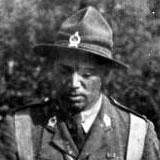
Biography of doctor, politician and anthropologist Peter Buck (Te Rangi Hīroa)
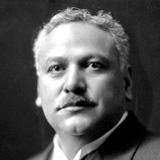
Māui Pōmare was the first Māori doctor. As Māori Medical Officer, toured Māori districts in this role, advising people about public health. Pōmare became a member of Parliament in 1911, and minister of health in the 1920s.
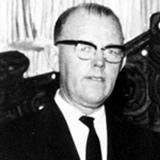
Jack Hunn commissioned a series of wide-ranging studies on Māori population, housing, education, employment, health, crime and land titles.
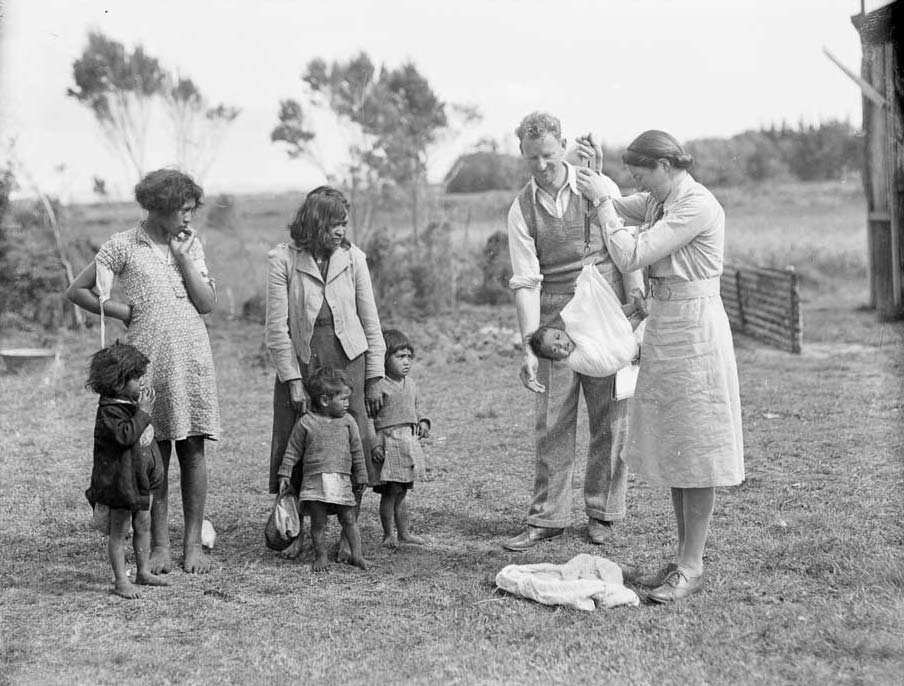
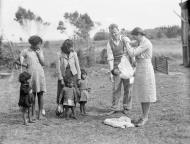
Main image: District nurse weighing baby, Waihara
District nurse weighing a baby, Waihara gumfields, Northland in the 1940s