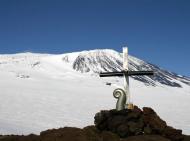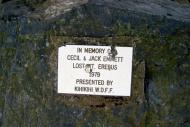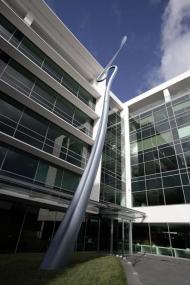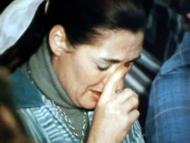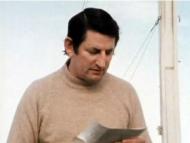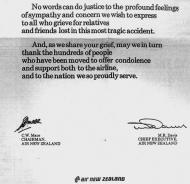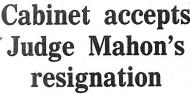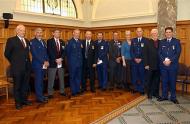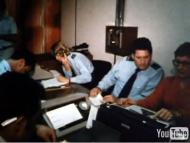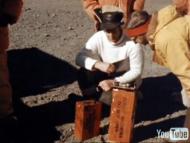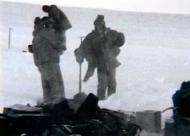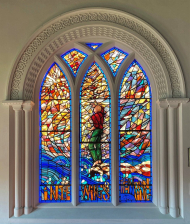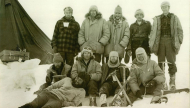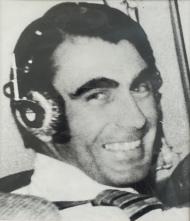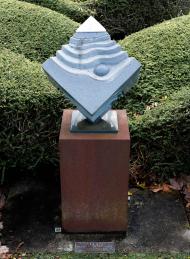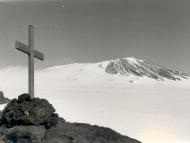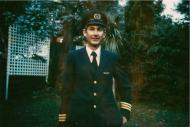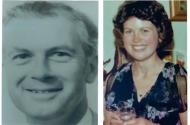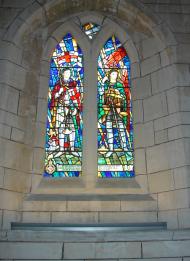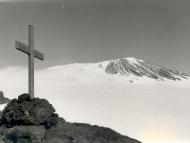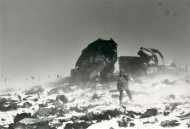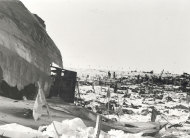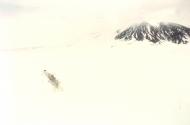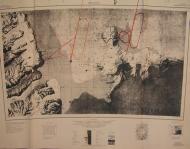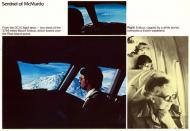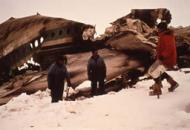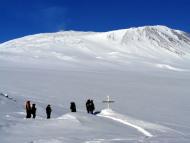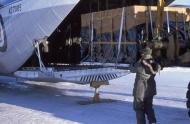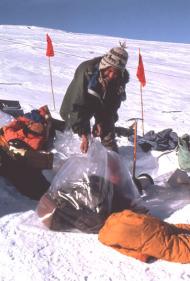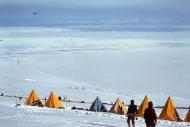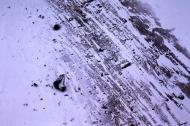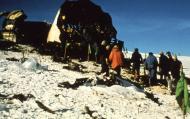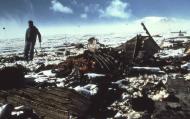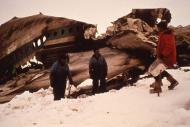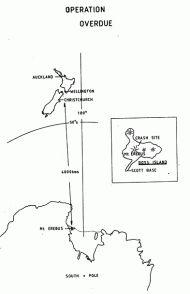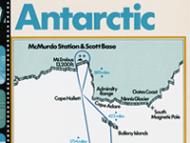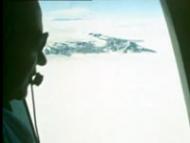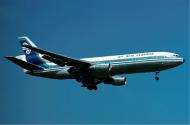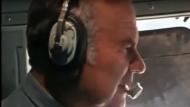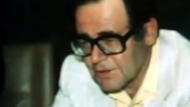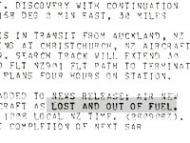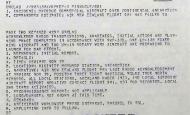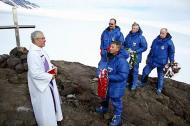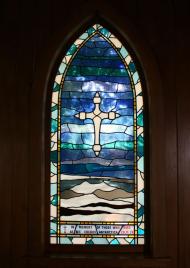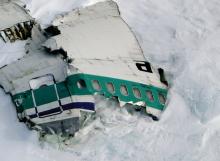
On the morning of 28 November 1979, Air New Zealand Flight TE901 left Auckland for an 11-hour return sightseeing flight to Antarctica. At 12.49 p.m. (New Zealand Standard Time), the aircraft crashed into the lower slopes of Mt Erebus, killing all 257 passengers and crew.
Erebus Disaster
Events In History
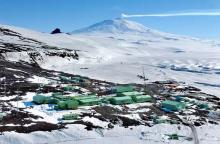
16 August 1923
A notice in the New Zealand Government Gazette gave effect to a British Order in Council, which stated that coasts of the Ross Sea would be administered by New Zealand.
Articles
Responding to tragedy
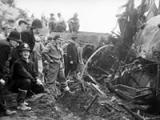
How police responded to the disasters, particularly Tangiwai, Wahine and Erebus Read the full article
New Zealand disasters timeline

The disasters timeline and map give an overview of New Zealand's worst natural disasters, transport accidents, fires, mining accidents and other tragedies that have caused major loss of life. Read the full article
Page 1 - New Zealand disasters timeline
The disasters timeline and map give an overview of New Zealand's worst natural disasters, transport accidents, fires, mining accidents and other tragedies that have caused major
Erebus disaster
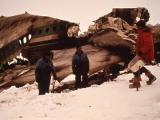
On 28 November 1979, 237 passengers and 20 crew were killed when Air New Zealand Flight TE901 crashed into Mt Erebus, Antarctica. The tragedy was followed by a demanding recovery operation and a raging debate over who or what was to blame Read the full article
Page 1 - Erebus disaster
On 28 November 1979, 237 passengers and 20 crew were killed when Air New Zealand Flight TE901 crashed into Mt Erebus, Antarctica. The tragedy was followed by a demanding recovery
Page 2 - Tourist flights to Antarctica
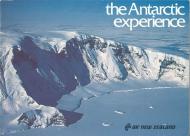
Air New Zealand and Qantas began offering sightseeing flights to Antarctica in February
Page 3 - Timeline to disaster
The Erebus disaster was mainly caused by a late change in the flight path and atmospheric conditions over
Page 4 - Hearing the news
How news of the Erebus disaster was relayed back to New
Page 5 - Operation Overdue
A team of New Zealand Police officers and a Mountain Face Rescue Team were immediately dispatched to the scene of the Erebus disaster.
Page 7 - Messages, memorials and an apology
The Erebus disaster has been marked by a number of memorial services, often at the time of significant
Page 8 - Reflections on Erebus
In their own words, whanau, family and friends, as well as some of those involved with Operation Overdue, share their personal reflections on the accident and its impact then and
Antarctica and New Zealand
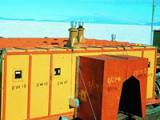
NZ and Antarctica share a long and rich history. From Tuati in 1840 to Edmund Hillary in the 1950s and more recent scientists, Kiwis have explored, examined and endured the frozen continent. Read the full article
Page 1 - Antarctica and New Zealand
NZ and Antarctica share a long and rich history. From Tuati in 1840 to Edmund Hillary in the 1950s and more recent scientists, Kiwis have explored, examined and endured the frozen
Page 3 - Triumph and tragedy
There is a New Zealand connection to a number of triumphs and tragedies that have occurred in
Erebus accident: remembering the past
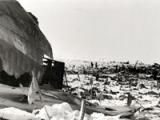
Teachers can use the Erebus accident and its aftermath to explore ideas around what we remember of people and events from our past, and how we remember them. Read the full article
Page 1 - The Erebus accident: What do we remember from the past, and how?
Teachers can use the Erebus accident and its aftermath to explore ideas around what we remember of people and events from our past, and how we remember them.
Page 3 - Learning guide: New Zealand’s relationship with Antarctica
Kaiako (teachers) can select from this guide and adapt the suggested activities as they see fit to meet the needs of their
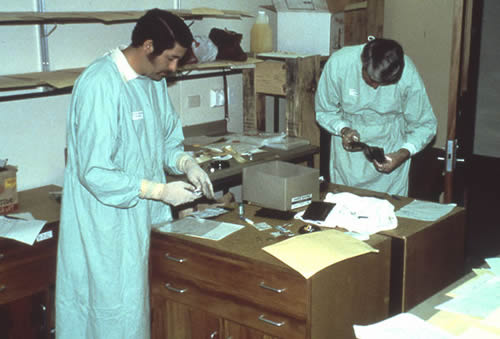
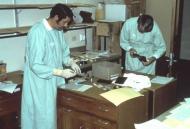
Main image: Identifying Erebus victims
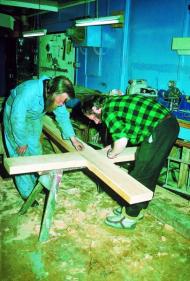
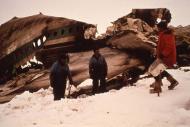
By the time the second flight carrying bodies from the Erebus disaster crash site arrived on 11 December 1979, the pathology teams tasked with determining cause of death had completed post-mortem examinations on the first 114 bodies