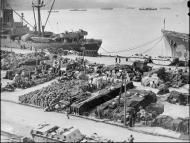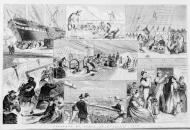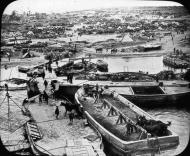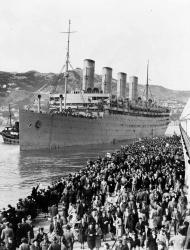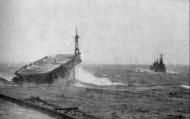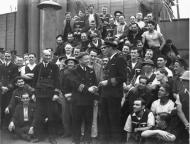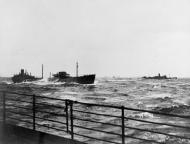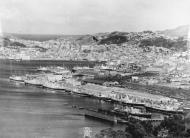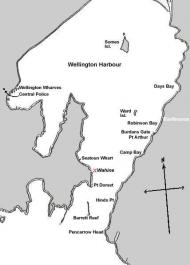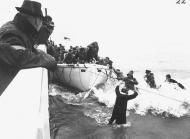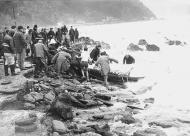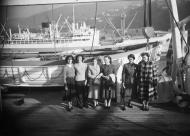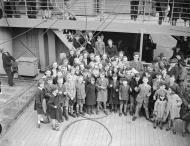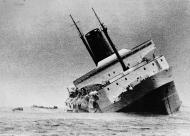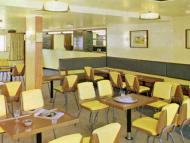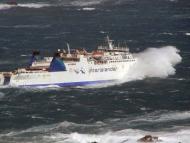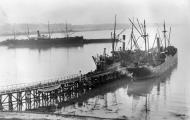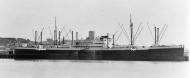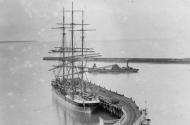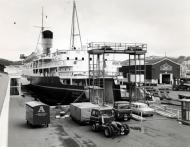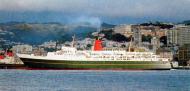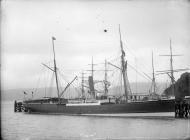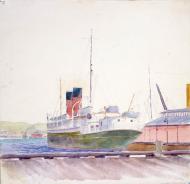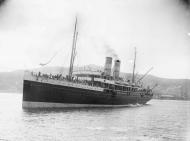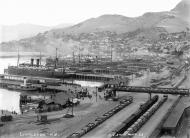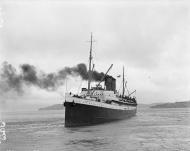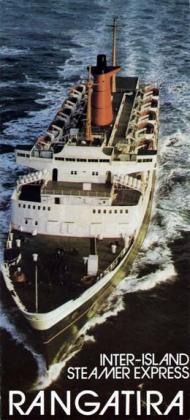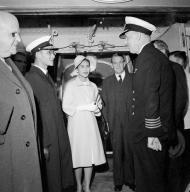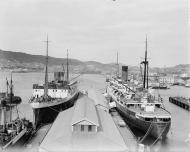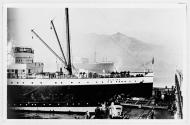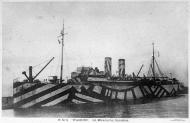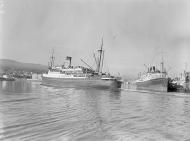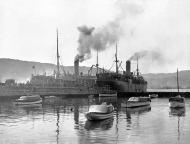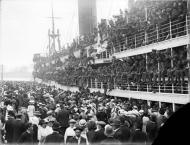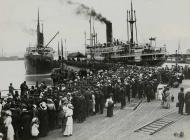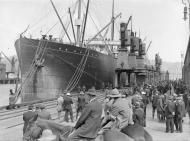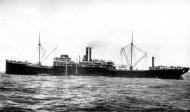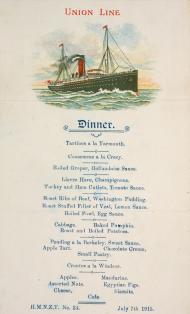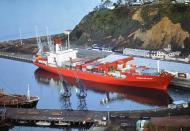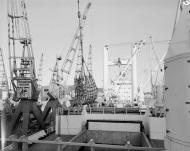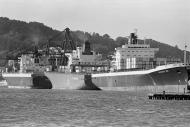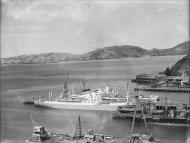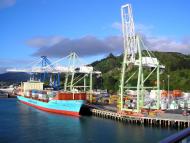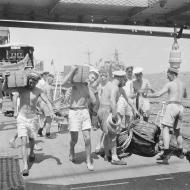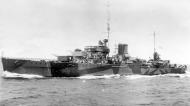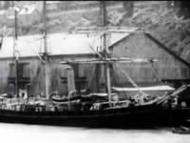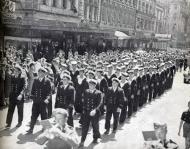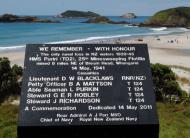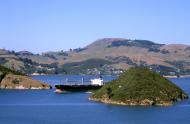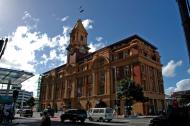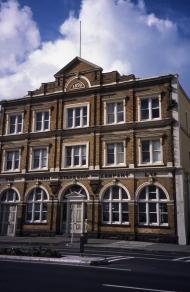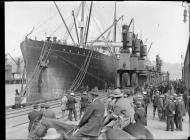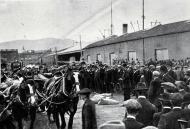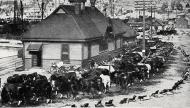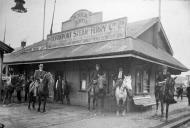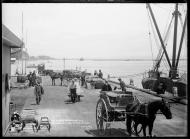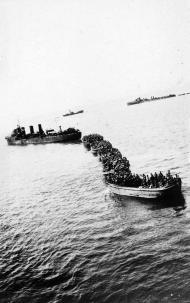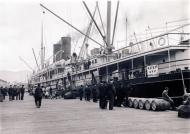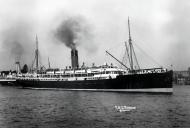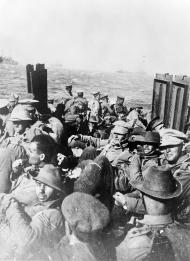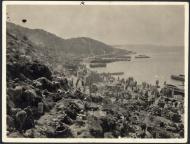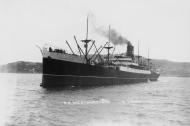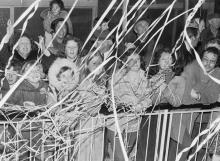
The last sailing of the Rangatira brought to an end more than 80 years of regular passenger ferry services between Lyttelton and Wellington.
Shipping
Events In History
11 August 1962
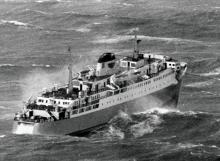
Few ships have had as much impact on New Zealand history as the Aramoana, the country’s first roll-on roll-off ferry, which entered service between Wellington and Picton in 1962.
15 August 1951
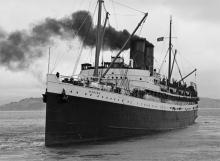
The TSS Wahine was chartered by the New Zealand government to transport Kayforce troops to the Korean War. Shortly after leaving Darwin it ran aground on Masela Island in the Arafura Sea, east of Timor.
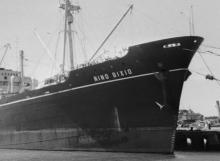
17 August 1942
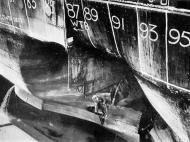
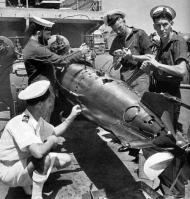
118 New Zealand prisoners of war died when the Italian transport ship Nino Bixio was torpedoed by a British submarine in the Mediterranean.
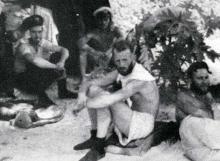
27 November 1940
The 16,712-ton New Zealand Shipping Company liner Rangitane was intercepted and sunk 550 km off East Cape, with the loss of 15 lives.
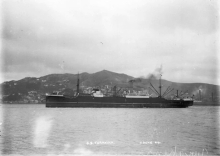
20 August 1940
It was the first naval battle in the Tasman Sea. The New Zealand Shipping Company freighter Turakina was intercepted and sunk by the Orion nearly 500 km off the Taranaki coast with the loss of 36 lives. Twenty survivors were taken prisoner.
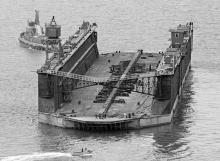
29 December 1931
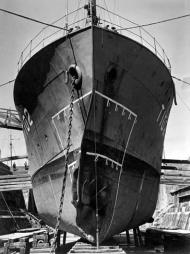
Built in England, the Wellington Harbour Board’s new Jubilee Dock was 178 m long, 36 m wide and could lift ships displacing 17,000 tons.
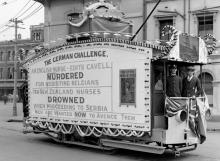
23 October 1915
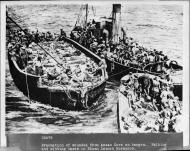
The sinking of the transport ship Marquette in the Aegean Sea in late 1915 added to the grief of a nation still reeling from the heavy losses at Gallipoli.
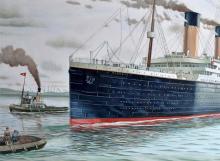
16 April 1912
Although no New Zealanders were aboard the world’s largest passenger ship when it sank in the chilly North Atlantic with appalling loss of life, the country followed the news closely.
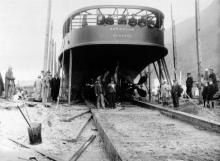
24 February 1912
For more than a century, the TSS Earnslaw has carried freight and people to and from remote settlements on the shores of Lake Wakatipu.
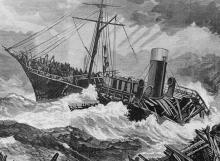
29 April 1881
The steamer Tararua, en route from Port Chalmers to Melbourne, struck a reef at Waipapa Point, Southland. Of the 151 passengers and crew on board, 131 were lost, including 12 women and 14 children.

23 October 1869
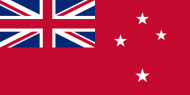
The design of the New Zealand ensign that was to be flown by ships owned by the colonial government was established by a proclamation by the governor, Sir George Bowen
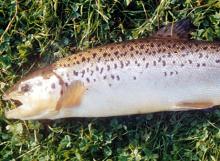
2 May 1868
The clipper Celestial Queen arrived at Port Chalmers carrying the first shipment of live fish ova from England. These fish were intended to provide sport for the settlers, but none survived in New Zealand.
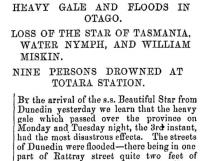
3 February 1868
An ex-tropical cyclone swept south across the country from Saturday 1st. By the time it moved away on Tuesday 4th, more than 40 people had died.
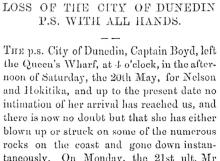
20 May 1865
The paddle steamer City of Dunedin left Wellington at around 5 p.m. on Saturday 20 May. It was never heard from again and no trace was ever found of the four dozen people on board.
Articles
Assisted immigration, 1947-75

New Zealand is a country of immigrants. Wave after wave of peoples have settled here: Polynesian, British, European, Asian. Read the full article
Page 4 - The voyage out
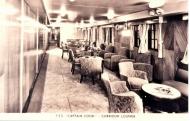
The Captain Cook, along with the Captain Hobson, brought assisted immigrants to New Zealand via the Panama Canal from
Notes for My Successor
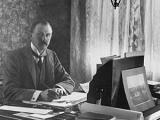
Until the late 1960s New Zealand's governors-general were British, mainly minor aristocrats, admirals or generals. Read the full article
Page 7 - The governor-general on the move
How the governors-general moved around the
D-Day
It was one of the largest amphibious landings in history. On 6 June 1944 a huge Allied military machine embarked on the invasion of German-occupied France. Thousands of New Zealand sailors and airmen were on active duty that day. Read the full article
Page 2 - The grand plan
The plans for the Allied invasion of France were conducted in great secrecy and over several months.
The Merchant Navy

3 September is Merchant Navy Day, which was first officially commemorated in New Zealand in 2010. The date marks the sinking of the first Allied merchant ship in 1939, just hours after the Second World War began. This is the story of the 'fourth service' at war. Read the full article
Page 3 - Under the Southern Cross
New Zealand's domestic shipping industry played a vital role during the war. A small tributary of the vast British shipping empire, it was largely confined to 'short-sea'
Page 4 - The Battle of the Atlantic
Although it was waged half a world away, few military campaigns were as vital to New Zealand's interests as the Battle of the Atlantic. A German victory, which would have severed
Nuclear-free New Zealand

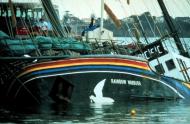
The sinking of the Greenpeace protest ship Rainbow Warrior in Auckland in July 1985 shocked the nation. The incident galvanised an anti-nuclear movement that had emerged in opposition to both French nuclear tests at Mururoa and American warship visits to New Zealand. Read the full article
Page 5 - Sinking the Rainbow Warrior
In 1985 New Zealand was basking in its position as leader of the anti-nuclear movement. Then on 10 July, two explosions set by French Secret Service agents ripped through the hull
A frontier of chaos?

In the years before the signing of the Treaty of Waitangi, relations between Māori and Europeans were marred by a number of high-profile incidents. Read the full article
Page 4 - The Boyd incident
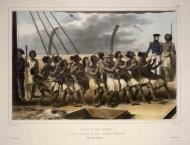
In December 1809 the sailing ship Boyd was anchored in Whangaroa Harbour. It was attacked by a group of Māori who killed most of its crew and passengers in retaliation for the
New Zealand disasters timeline

The disasters timeline and map give an overview of New Zealand's worst natural disasters, transport accidents, fires, mining accidents and other tragedies that have caused major loss of life. Read the full article
Page 1 - New Zealand disasters timeline
The disasters timeline and map give an overview of New Zealand's worst natural disasters, transport accidents, fires, mining accidents and other tragedies that have caused major
Wahine disaster
This April marks the 45th anniversary of the sinking of the ferry Wahine. With more than 50 lives lost, this was New Zealand's worst modern maritime disaster. The Wahine’s demise on 10 April 1968 also heralded a new era in local television, as pictures of the disaster were beamed into living rooms around the country. Read the full article
Page 1 - The Wahine disaster
This April marks the 45th anniversary of the sinking of the ferry Wahine. With more than 50 lives lost, this was New Zealand's worst modern maritime disaster. The Wahine’s demise
Page 2 - Timeline to tragedy
The events that led to the drowning of 51 people in the Wahine disaster of 10 April
Page 3 - Co-ordinating the rescue
The police, emergency services and civilians rescued passengers and crew from the inter-island ferry Wahine in Wellington Harbour in April
Ōamaru Harbour

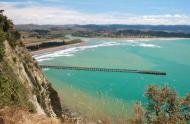
Ports were the beachheads of colonial expansion. No town could prosper without one. Ōamaru Harbour, which closed to shipping in 1974, is the best place in the country to see how and why all New Zealanders once depended so heavily on sea transport. Read the full article
Page 1 - Ōamaru Harbour
Ports were the beachheads of colonial expansion. No town could prosper without one. Ōamaru Harbour, which closed to shipping in 1974, is the best place in the country to see how
Page 2 - Early days
European settlement at Oamaru began in 1853, and in the 1860s the town grew rich servicing pastoralists and gold miners. Oamaru, though, was no port. Cape Wanbrow, a stubby
Page 3 - Colonial beachhead
The disastrous storm of 1868 forced Ōamaru to invest in the construction of expensive concrete breakwaters and new larger
Page 4 - Deep-water port
Oamaru's shipping tonnages rose after the First World War, but the port faced tough times as coastal shipping slumped from the
Page 5 - Ōamaru Harbour after 1974
Although Ōamaru no longer has an active port, tourism has brought new opportunities to the town and its
Lyttelton–Wellington ferries
For more than 80 years the overnight Lyttelton ferry was a vital link in the country's transport network. Read the full article
Page 2 - Key dates
See a list of the key events in the life of the Lyttelton–Wellington ferry
Page 3 - The early years
Although many ships sailed between Lyttelton and Wellington during the course of their longer voyages, a regular passenger service between those ports took time to
Page 4 - Politicians and ferries
Politicians used the ferries to travel between their electorates and Wellington, so they scrutinised the Union Steam Ship Company's management of the
Page 5 - Cabins de luxe and glory holes
The purpose-built Maori of 1907 was a big leap forward, but description of the cabins was limited to ‘well endowed with spring mattresses and superior bed coverings' – no
Page 6 - Just like clockwork
Every night, weather and sea conditions permitting, two ships crossed in the night at about 1.25 a.m. off the Kaikoura coast as perhaps 1500 New Zealanders passed quite
Page 7 - Officers and gentlemen?
Some of the ferry masters – each known as ‘the Old Man' to the crew – were almost as well known as the ships themselves.
Page 8 - In strife and war
The Lyttelton–Wellington ferries were such a vital link for travellers that they were given priority whenever strikes or lockouts paralysed the wharves, but wars disrupted the
Page 9 - End of the line
In the face of competition from other forms of transport the Union Steam Ship Company abandoned its glamour ferry service, sending the Maori to the scrappers in
Page 10 - Ferry tales
Some people tell their stories of travelling on the Lyttelton–Wellington
Pencarrow Lighthouse
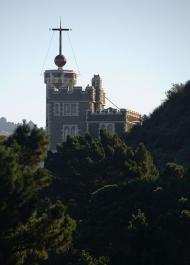
On 1 January 2014 Pencarrow Lighthouse at the entrance to Wellington Harbour celebrates its 155th anniversary. New Zealand’s first permanent lighthouse, Pencarrow was also home to this country’s first – and only – female lighthouse keeper. Read the full article
Page 1 - Pencarrow Lighthouse
On 1 January 2014 Pencarrow Lighthouse at the entrance to Wellington Harbour celebrates its 155th anniversary. New Zealand’s first permanent lighthouse, Pencarrow was also home to
Page 2 - Slow beginnings
It took 20 years for the first settlers to get a decent lighthouse built at the entrance to Wellington Harbour.
Page 3 - The lighthouse and its surroundings
Key events in the development of the Pencarrow Lighthouse
Page 4 - Pencarrow Lighthouse keepers
The experiences of the Pencarrow Lighthouse keepers and their families
Flags of New Zealand
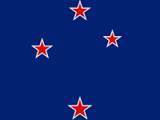
The New Zealand flag hasn't always been our official flag. It was adopted in 1902, replacing the Union Jack. Between 1834 and 1840, the flag of the United Tribes was recognised as our first 'national' flag. Waitangi Day 2010 saw the first official recognition of the national Māori flag. Read the full article
Page 4 - The NZ flag
The maritime origins of the New Zealand flag from 1865 to 1902
Page 5 - Other official flags
Six flags other than the New Zealand flag are flown for official purposes in New
Merchant marine
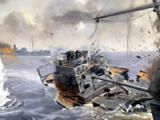
On 3 September New Zealand honours Merchant Navy Day. Here we explore the little-known but vital role played by the merchant marine during the First World War, when these civilian seafarers often found themselves in the front line of the war at sea. Read the full article
Page 1 - The merchant marine in the First World War
On 3 September New Zealand honours Merchant Navy Day. Here we explore the little-known but vital role played by the merchant marine during the First World War, when these civilian
Page 2 - The merchant marine goes to war
The outbreak of war in 1914 posed special problems for New Zealand because of its dependence on sea
Page 7 - Home waters
The First World War had a dramatic impact on shipping to and from New
Pacific aftermath

Participation in the First World War changed Pacific Islanders' lives. Returning servicemen had seen the world. Read the full article
Page 3 - Troop repatriation
When the armistice was signed in November 1918, Pacific island troops in New Zealand service were stationed in a number of
Container shipping

Forty-five years ago, on 19 June 1971, the first all-container ship to visit New Zealand arrived in Wellington. Columbus New Zealand was part of a worldwide revolution in shipping. These simple steel boxes would change our transport industry, our ports and how we work and shop. Read the full article
Page 1 - Container shipping
Forty-five years ago, on 19 June 1971, the first all-container ship to visit New Zealand arrived in Wellington. Columbus New Zealand was part of a worldwide revolution in
Page 2 - The container is born
A US trucker’s ‘out of the box’ solution led to the container shipping system we know
Page 3 - Transforming shipping
By the late 1960s, the valuable Atlantic trade was being containerised. New Zealand ports followed developments closely, since some ports were expected to lose much of their
Page 4 - Transforming our ports
Containerisation changed the very look of our ports. In the 1970s the four cellular container ports – Auckland, Wellington, Lyttelton and Port Chalmers – reclaimed land, filled in
Page 5 - Transforming our economy
Containers changed everything. Railways ordered fleets of flat-deck rolling stock and ‘daylighted’ tiny Victorian tunnels so they could get through. Truckers bought heavy-duty
Page 7 - The wreck of the Rena
On 5 October 2011 the MSC-chartered, Liberian-flagged container ship Rena astonished local mariners by grounding on the clearly marked Astrolabe Reef off Tauranga. Three months
Royal NZ Navy's Bird-class ships
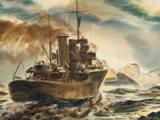
October 2011 marks the 70th anniversary of the formation of the Royal New Zealand Navy. In 1941 the new navy had three brand-new ships – the Moa, Kiwi and Tui – working up or fitting out in Scotland. These little Bird-class minesweepers would see dramatic action in the Pacific War. Read the full article
Page 1 - The Royal NZ Navy's Bird-class ships
October 2011 marks the 70th anniversary of the formation of the Royal New Zealand Navy. In 1941 the new navy had three brand-new ships – the Moa, Kiwi and Tui – working up or
Page 2 - 'Pocket corvettes'
The Birds were unusual. Although they looked a little like the Admiralty’s Isles-class minesweeping trawlers, their extended forecastles gave them more of a naval
Page 3 - Early wartime duties
When the ships finally arrived at Auckland between April and August 1942, after lengthy voyages, they joined the 25th Minesweeping
Page 4 - Moa and Kiwi bag a sub
On the night of 29 January Kiwi and Moa were patrolling along Kamimbo Bay, on the north-western corner of Guadacanal when Kiwi detected a
Page 5 - The sinking of the Moa
On 7 April 1943, while refuelling from the American oil barge Erskine M. Phelps at Tulagi Harbour, in the Solomons, the Moa came under attack from Japanese
Page 6 - The Tui goes hunting
The minesweeper Tui’s turn to claim a scalp came in August
Page 7 - Peacetime years
The RNZN downsized after the war, although it remained much bigger than the pre-war New Zealand
Page 8 - Further information
Links and books relating to New Zealand Bird-classs
HMNZS Leander
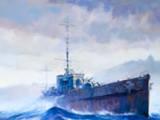
When the Royal New Zealand Navy came into being on 1 October 1941, its main combat units were two Leander-class cruisers: Achilles and Leander. Although its early war was quieter than the Achilles, the Leander was to see dramtic action in the Pacific War. Read the full article
Page 1 - HMNZS Leander
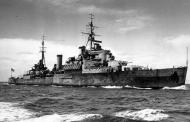
When the Royal New Zealand Navy came into being on 1 October 1941, its main combat units were two Leander-class cruisers: Achilles and Leander. Although its early war was quieter
Page 2 - Leander-class light cruisers
Facts and stats about Leander-class light
Page 3 - Leander goes to war
By mid-1940 Leander was escorting convoys in the Red Sea and Aden areas. In between escorting merchant ships, the cruiser further pummelled the Italian submarine Torricelli, which
Page 4 - Pacific attack
After some early successes, Leander’s war came to an end when it was hit by a long-range Japanese
Page 5 - Recovery and repair
Leander was hit just abaft the ‘A’ boiler room. Almost 500 kg of high explosive killed everyone in the boiler room. The blast, venting up through the boiler room duct, blew eight
Page 6 - Last days
Leander never fought under the New Zealand ensign again and was eventually scrapped in
Page 7 - Further information
Links and books relating the to the HMNZS
The Vogel era

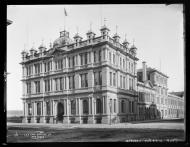
In 1870, Colonial Treasurer Julius Vogel launched the most ambitious development programme in New Zealand’s history. The ‘Vogel era’ was a decisive moment in New Zealand’s 19th-century transformation from a Māori world to a Pākehā one. Read the full article
Page 2 - New Zealand in 1870
Three decades after the signing of the Treaty of Waitangi, New Zealand’s two main islands were like two different
The Salonika campaign
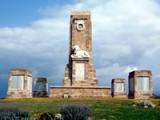
23 October is the anniversary of the 1915 sinking of the Marquette with the loss of 32 New Zealanders, including 10 nurses. They were en route from Egypt to the Greek port of Salonika as New Zealand’s contribution to the little-known Allied campaign in the Balkans Read the full article
Page 5 - NZEF involvement
The New Zealand Expeditionary Force (NZEF) provided no combat units for the campaign in Salonika. The official contribution of New Zealanders was brief but marked by tragedy.
The 1913 Great Strike
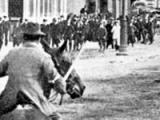
The Great Strike of 1913 was in fact a series of strikes between mid-October 1913 and mid-January 1914. It was one of New Zealand’s most violent and disruptive industrial confrontations. Read the full article
Page 3 - Outbreak of the 1913 strike
The 1913 Great Strike was sparked off by two relatively small
Hospital ships
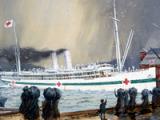
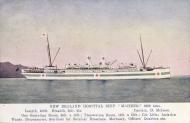
The Maheno and Marama were the poster ships of New Zealand's First World War effort. Until 1915 these steamers had carried passengers on the Tasman route. But as casualties mounted at Gallipoli, the government - helped by a massive public fundraising campaign - converted them into state-of-the-art floating hospitals. Read the full article
Page 2 - Background
What is a hospital ship and where did New Zealand's two ships come
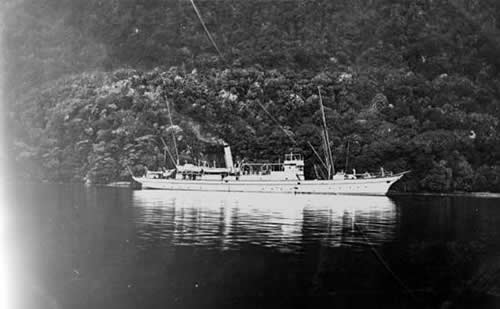
Main image: The government steamer Hinemoa
The 542-ton yacht-like government steamer Hinemoa, available for governors' use, was built in 1876.