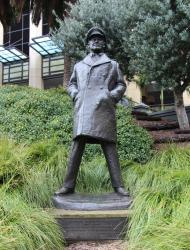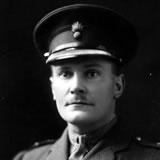
A First World War hero and commander of the 2nd New Zealand Expeditionary Force, Bernard Freyberg proved to be a charismatic and popular military leader who would later serve a term as Governor-General
Bernard Freyberg
Personal details
Full Name:
Bernard Freyberg
Lifetime:
21 Mar 1889 – 4 Jul 1963
Biography
Events In History
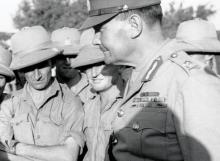
22 November 1939
British-born but New Zealand-raised, Lieutenant-General Sir Bernard Freyberg was a charismatic and popular military leader who later served as governor-general.
Articles
Notes for My Successor
Until the late 1960s New Zealand's governors-general were British, mainly minor aristocrats, admirals or generals. Read the full article
Page 2 - Jobs for the boys
As the newcomer knew, it was a 'job for the boys', a political gift. Lords Bledisloe (1930–5), Galway (1935–41) and Sir Bernard Freyberg (1946–52), for example, were
Page 3 - Hail and farewell
The new governor-general had to make a good impression. That meant landing in the
Page 4 - Staff and servants
Lord Bledisloe (1930–35) felt that senior staff 'should be fond of dancing and of games and sport of all kinds, as these accomplishments appeal to people here. I would not have
Viceregal visiting
'To be invisible is to be forgotten,' constitutional theorist Walter Bagehot (1826–77) warned. For the King or Queen's New Zealand representative, the governor-general, that meant hitting the road Read the full article
Page 2 - Putting on appearances
New Zealanders loved a good viceregal do, and no one was observed more closely than Their
History of the Governor-General
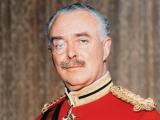
New Zealand has had a governor or (from 1917) governor-general since 1840. The work of these men and women has reflected the constitutional and political history of New Zealand in many ways. Read the full article
Page 6 - Regalised
The constitutional arrangements of the British Empire changed greatly between the creation of the Imperial War Cabinet in 1917 and the passing of the Statute of Westminster in

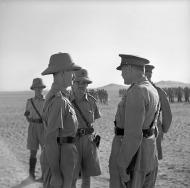
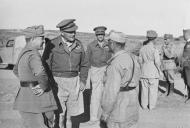
Main image: New Zealand troops in Egypt after Crete
New Zealand troops met Prime Minister Peter Fraser and Major-General Bernard Freyberg at Maadi Camp in Egypt following their evacuation from Crete, 1941.