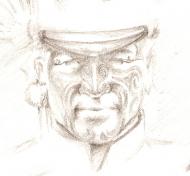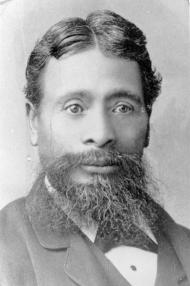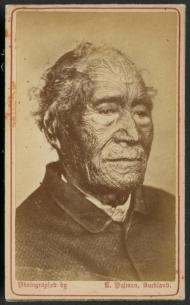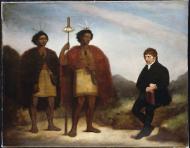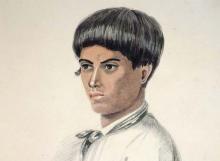
17-year-old Maketū Wharetōtara was hanged in public, at the corner of Queen and Victoria streets in Auckland, for the 1841 murder of Elizabeth Roberton, her two children, and two other adults.
Ngapuhi
Events In History
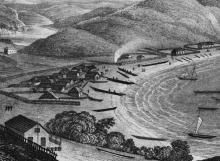
6 March 1830
The so-called ‘Girls‘ War’ was fought between northern and southern Ngāpuhi hapū at Kororāreka (later Russell). Up to 100 people were killed or wounded in the fighting, after which the northern alliance took control of the important settlement.
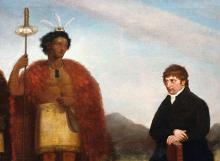
27 April 1806
Moehanga of Ngāpuhi became the first recorded Māori visitor to England when the whaler Ferret berthed in London. Moehanga (Te Mahanga) had boarded the Ferret when it visited the Bay of Islands late in 1805.
Articles
New Zealand's 19th-century wars

War changed the face of New Zealand in the 19th century. Many thousands of Māori died in the intertribal Musket Wars between the 1810s and the 1830s. There were more deaths during the New Zealand Wars of the 1840s to 1870s between some Māori and the Crown, which for many tribes had dire consequences. Read the full article
Page 2 - Pre-1860 conflicts
During the Musket Wars of the 1810s-1830s thousands of Māori fled from their traditional lands, opening large areas to potential Pākehā (European) settlement. In 1840, Europeans
Waitangi Day
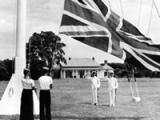
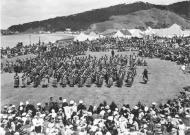
Every year on 6 February, New Zealand marks the signing of the Treaty of Waitangi in 1840. For most people, Waitangi Day is a holiday; for many, and especially for Māori, it is a time for reflecting on the Treaty and its place in modern New Zealand. Read the full article
Page 2 - The first Waitangi Day
Governor-General Lord Bledisloe gifted the Treaty House and grounds at Waitangi to the nation in 1932. Two years later there were celebrations at Waitangi to mark the date of the
The death penalty

The first execution in New Zealand was that of a young Maori named Maketu, convicted at Auckland in 1842. Walter Bolton became the last to be executed when he was hanged at Mount Eden prison in 1957. In total there were 83 verified executions for murder and one for treason in New Zealand between these dates. Read the full article
Page 2 - The first execution
On 7 March 1842 Maketu Wharetotara, the 17-year-old son of the Ngāpuhi chief Ruhe of Waimate, became the first person to be legally executed in New
Go-betweens

An important feature of early cross-cultural contact in New Zealand was the role of intermediaries (kaiwhakarite) who acted as go-betweens – people from one culture who lived within the other culture and helped bridge the gap between the two. Read the full article
Page 3 - Māori intermediaries: Ruatara
In 1805 the Ngāpuhi chief Ruatara left New Zealand on the whaling ship Argo with the intention of meeting King George
Page 4 - The first woman settler?
Charlotte Badger is believed to have been one of the first two European women to live (albeit briefly) in New
Musket Wars

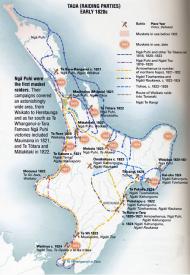
Thousands of Māori died in the intertribal Musket Wars of the 1810s, 1820s and 1830s. Muskets changed the face of intertribal warfare, decimating some tribes and drastically altering the territorial boundaries of others. Read the full article
Page 2 - Overview
Between 1818 and the early 1830s an estimated 20,000 Māori were killed in what have been described as the Musket Wars. Thousands more were enslaved or became
Page 3 - Beginnings
The Ngāpuhi chief Hongi Hika is usually seen as responsible for beginning the Musket
Page 4 - The arms race
Diplomacy, arranged marriages, gifts, asset-stripping (taua muru) and escape were all used to avoid fighting. When these methods failed, the common response was to seek an
The Northern War
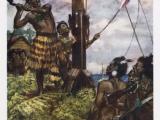
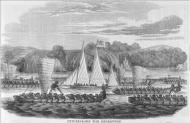
The Northern War, fought in the Bay of Islands in 1845-46, was the first serious challenge to the Crown in the years after the signing of the Treaty of Waitangi. Its opening shots marked the beginning of the wider North Island conflicts that are often referred to as the New Zealand Wars. Read the full article
Page 1 - The Northern War
The Northern War, fought in the Bay of Islands in 1845-46, was the first serious challenge to the Crown in the years after the signing of the Treaty of Waitangi. Its opening shots
Page 2 - Origins of the Northern War
Actions by the colonial government cost Bay of Islands Māori trade and other opportunities. Heke feared that chiefly authority was now subservient to that of the British
Page 3 - The sacking of Kororāreka
The sacking of Kororāreka (Russell) shook the settler population. About £50,000 worth of property was destroyed, and there was panic in Auckland. Some settlers sold their land for
Biographies
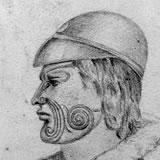
Ngāpuhi chief Hōne Heke was an influential northern Māori voice in favour of the Treaty of Waitangi. However, he later became a leading opponent of British rule in New Zealand.
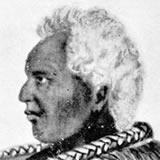
A notable Ngāpuhi chief and warrior and a skilled military tactician who reluctantly signed the Treaty of Waitangi in 1840.
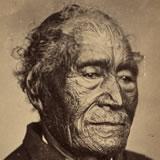
Renowned Ngāpuhi chief, Tāmati Wāka Nene, was an early friend of Pākehā. He was one of its most influential supporters in the debate at Waitangi over the Treaty and he was among the first to sign.
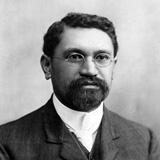
Hōne Heke Ngāpua was elected to Parliament in 1893 and represented the people of Northern Māori almost continuously until his death in 1909.
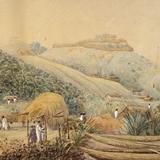
Pōmare II was a prominent Ngāpuhi chief who signed the Treaty of Waitangi. He was later arrested by the British on suspicion of treason but released on the intervention of Tāmati Wāka Nene.
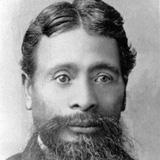
Son of Rawiri Taiwhanga, Hirini Taiwhanga petitioned Queen Victoria to change the laws that breached the Treaty of Waitangi.

Aperahama Taonui, of the Te Popoto sub-tribe of Ngāpuhi, was a founding member of the Kotahitanga movement, which evolved into the Māori parliaments of the 1890s.
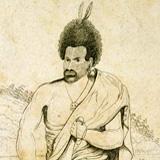
Ngāpuhi chief Te Pahi was the first influential Māori leader to have significant contact with British colonial officers.
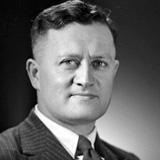
James Henare was Ngā Puhi leader, soldier, farmer, and community leader. After the Second World War he helped set up the kōhanga reo programme and fought for recognition of Māori rights under the Treaty of Waitangi.
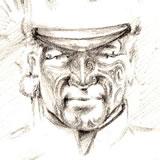
A Nga Puhi leader, Moka Te Kainga-mataa was an original signatory of the 1835 Declaration of Independence. Moka's name – but not his signature – also appears on the 1840 Treaty of Waitangi
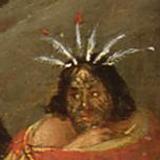
The Ngāpuhi rangatira Hongi Hika became a pivotal figure in New Zealand history. He was a skilled and driven leader in war and trade, and his actions had far-reaching consequences.

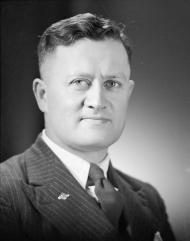
Main image: James Henare
James Clendon Henare, photographed circa 1945, by Stanley Polkinghorne Andrew.