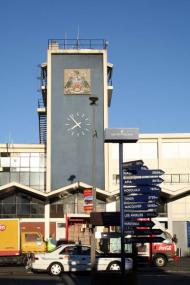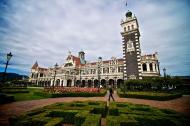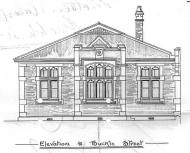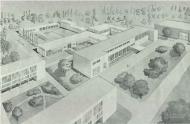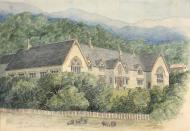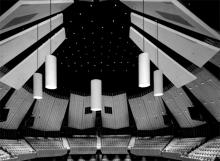
Designed by prominent Christchurch architects Warren and Mahoney, the Brutalist (blocky, using lots of concrete) structure was officially opened by Governor-General Sir Denis Blundell.
Architecture
Events In History
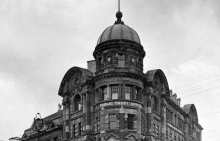
9 June 1909
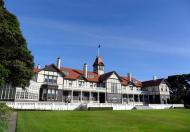
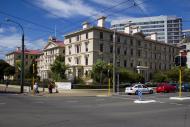
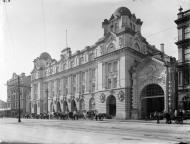
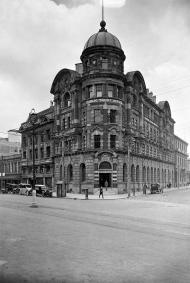
Prime Minister Sir Joseph Ward opened the Public Trust Office Building in Lambton Quay, Wellington. The occasion was marked by a lunchtime banquet and a concert and dance that evening
Articles
Wellington cafe culture
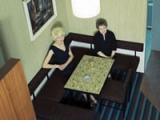
Café culture has become integral to Wellington's identity. This culture began in the 1930s with the emergence of the milk bar, followed by coffee houses in the 1950s. After a period of decline in the 1960s and 70s, the city's café scene has grown in spectacular fashion over the last 20 years. Read the full article
Page 4 - Design and technology
New construction materials and equipment fashioned the cafe culture rising in the 1950s. Wellingtonians were introduced to the espresso machines as European styled cafes
State housing

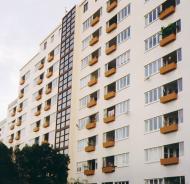
New Zealand's first state house was formally opened on 18 September 1937. But the government has provided rental housing for New Zealanders for more than a century. Explore the history of this country's various state housing schemes and their contribution to the New Zealand way of life. Read the full article
Page 1 - State housing in New Zealand
New Zealand's first state house was formally opened on 18 September 1937. But the government has provided rental housing for New Zealanders for more than a century. Explore the
Page 7 - State house style
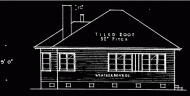
The design of state houses has been fodder for armchair and professional critics since the beginning. Detractors slagged the first workers' dwellings for being 'too swell' and
Life in the 20th century
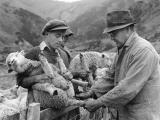
Exploration of everyday life in New Zealand from 1900 to the mid-1980s Read the full article
Page 5 - A home of one's own
New Zealanders have called many structures home. Some have been solid and permanent: kauri villas set in lawns and gardens, row houses on cramped Dunedin sections, sprawling state
Parliament Buildings
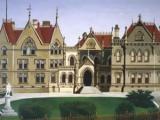
Parliament buildings have been modified, destroyed by fire, half-built and restored; the parliamentary places and spaces have formed an important part of New Zealand's history. Read the full article
Page 1 - History of Parliament Buildings
Parliament buildings have been modified, destroyed by fire, half-built and restored; the parliamentary places and spaces have formed an important part of New Zealand's
Page 2 - First Parliament buildings
Auckland was a bustling place in 1854 when Parliament met there for the first time. The buildings were located in paddocks on what was then the edge of town, Constitution Hill,
Page 3 - The halfway house
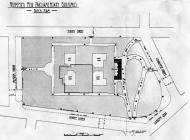
In 1911, a competition was held for designs for a new building to house Parliament. From the 33 proposals, John Campbell's was selected and building began, although it did not all
Page 4 - Current buildings
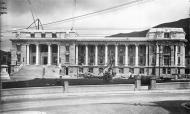
Parliament Buildings are made up of the Edwardian neo-classical Parliament House and the Beehive – its name inspired by a brand of
Page 5 - Doing up the House
In 1992 the biggest heritage building conservation project in New Zealand was undertaken with the strengthening and refurbishing of Parliament House and the Parliamentary
Page 7 - Library
For people passing Parliament's grounds, the library building is a picture postcard, but it is also an important research institution that has thousands of books, newspapers and
Page 9 - Further information
Find out more about the history of Parliament
Railway stations
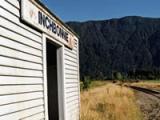
Before most people had cars or telephones, let alone television and the Internet, the railway provided many communities with their main connection to the outside world. Read the full article
Page 3 - Station style
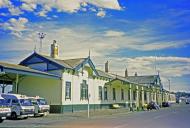
Railway stations came in all shapes and sizes, ranging from imposing big-city monuments to elegant wooden provincial structures and tiny rural shelter
Container shipping

Forty-five years ago, on 19 June 1971, the first all-container ship to visit New Zealand arrived in Wellington. Columbus New Zealand was part of a worldwide revolution in shipping. These simple steel boxes would change our transport industry, our ports and how we work and shop. Read the full article
Page 6 - Afterlife of shipping containers
Most containers pass into the hands of a new industry that has arisen to modify them for other uses, or sell or lease them. The term ‘container architecture’ was coined to cover
100 New Zealand Places
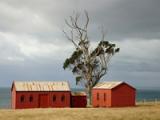
This web feature is a digital adaptation of Gavin McLean’s 2002 book, 100 Historic Places in New Zealand. The text of each entry has been updated and a range of modern and historical images have been added, along with map locations and suggestions for further reading. Read the full article
Biographies
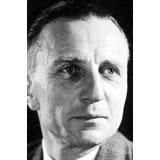
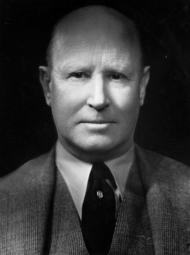
Architect whose work included Auckland's Savage Memorial, Avondale Military Hospital (later converted into the high school), Khyber pump station, Parnell Baths and the Auckland City Council's Administration Buildings
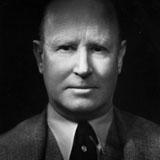
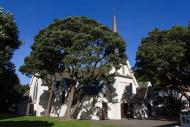
A leading architect between the world wars, Cecil Wood designed the Wellington Cathedral of St Paul.
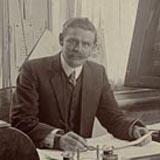
A prolific and prominent architect, Edmund Anscombe was selected to design New Zealand's Centennial Exhibition complex in 1939-40.
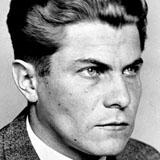
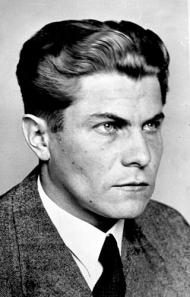
An Austrian émigré who sought refuge from the Nazi domination, Ernst Plischke’s modernist designs made an important contribution to post-war New Zealand architecture.
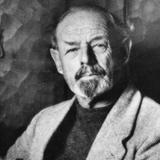
James Walter Chapman-Taylor was an architect devoted to designing houses based on the principles of the English Arts and Crafts movement. He was also a professional photographer, and had a penchant for interpreting horoscopes.
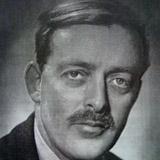
Paul Pascoe is considered a pioneer of modernist architecture due to the large scale of buildings he designed in the style for his home town of Christchurch and further afield.
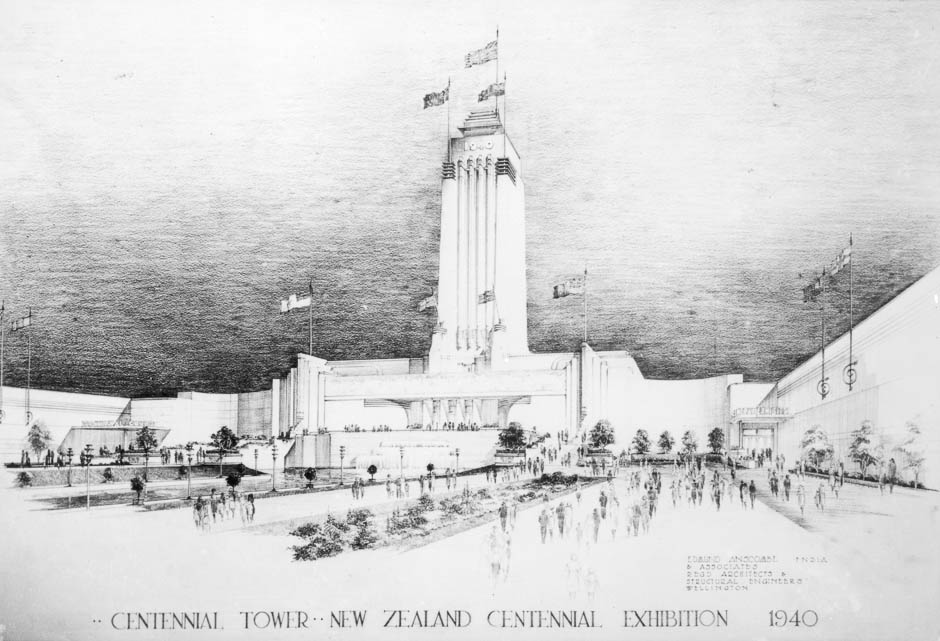
Main image: Centennial Exhibition tower, 1940
Edmund Anscombe's design for the Centennial Tower at the New Zealand Centennial Exhibition in Wellington.