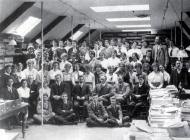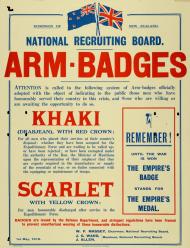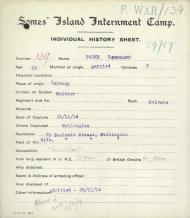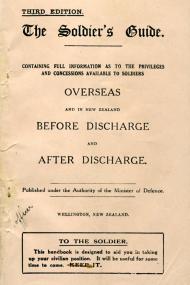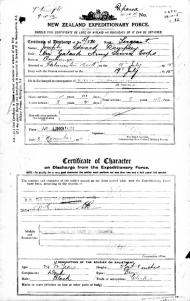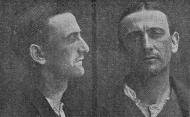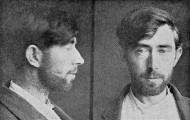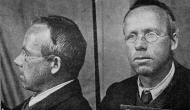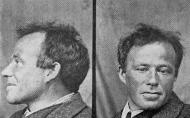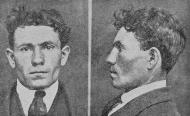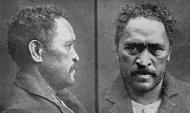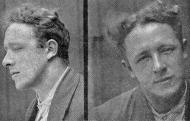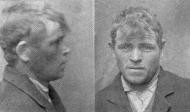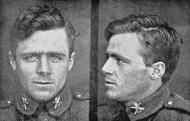
The Military Service Act passed on 1 August 1916 had made all healthy New Zealand men of military age (20 to 45) liable for active service overseas.
Public Service
Events In History
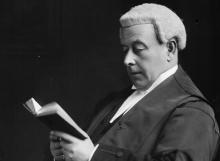
7 November 1912
The Public Service Act was passed into law, creating a framework for New Zealand’s bureaucracy that was to endure until 1988. The Act was the brainchild of lawyer Alexander Herdman, a senior minister in the new Reform Party government.
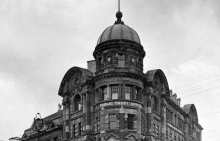
9 June 1909
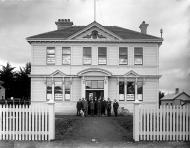
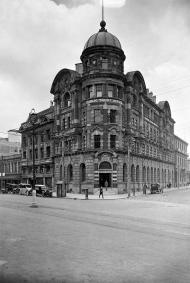
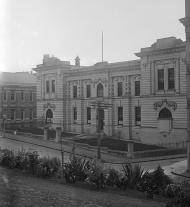
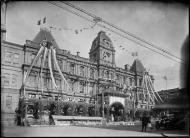
Prime Minister Sir Joseph Ward opened the Public Trust Office Building in Lambton Quay, Wellington. The occasion was marked by a lunchtime banquet and a concert and dance that evening
Articles
Working with statistics
Statistical work has always involved collecting, analysing and presenting data. Read the full article
Dominion status

On 26 September 1907 the colony of New Zealand ceased to exist. It became, instead, a dominion within the British Empire. Read the full article
Page 3 - The first Dominion Day
The first Dominion Day, 1907, was a holiday for public servants as all government offices closed to mark the occasion.
The Public Service at war - overview
The New Zealand public service played a central part in New Zealand’s war effort, both at home and abroad Read the full article
The public service in 1914
In 1914 the public service employed 33,000 permanent employees, including railway workers, post and telegraph staff, teachers, and police, plus 16,000 temporary employees, mainly in public works and railways. Read the full article
Getting the men to war
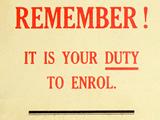
The public service was the engine of New Zealand’s military war effort between 1914 and 1918. It took charge of signing up – and later conscripting – men for service abroad, training them, clothing them, housing them and transporting them to the northern hemisphere, where they became the responsibility of the British military. Read the full article
Feeding Britain

From March 1915 the British government purchased New Zealand’s entire output of frozen meat to help ensure a regular flow of food to the British public and the British Expeditionary Force in France and Belgium. Read the full article
Maintaining public services during the war
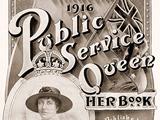
The government immediately reset its priorities on the outbreak of war in August 1914. Everything else was subordinated to winning the war. Read the full article
Policing the war effort
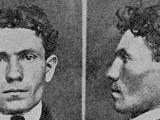
In 1914 the New Zealand government moved quickly to strengthen the rule of law and keep the country focused on winning the war Read the full article
Repatriation of returned servicemen
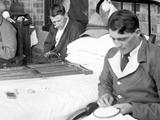
Reintegrating tens of thousands of men into the civilian population at the end of the war presented a new set of problems Read the full article
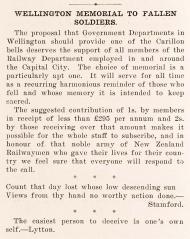
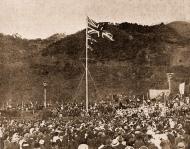
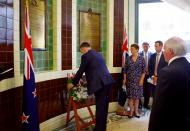
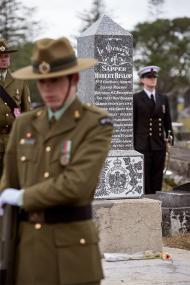
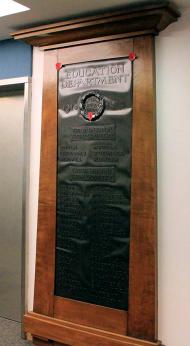
Honouring public servants
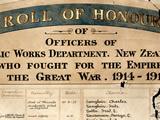
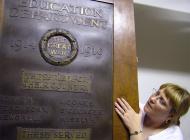
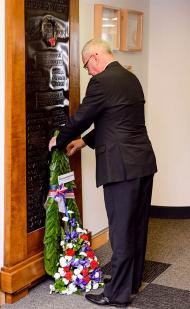
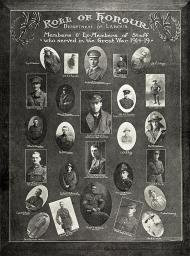
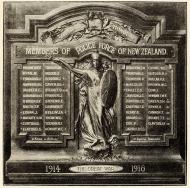
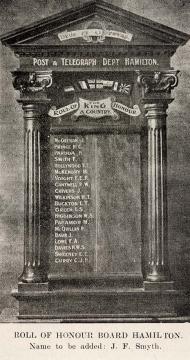
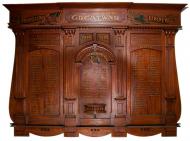
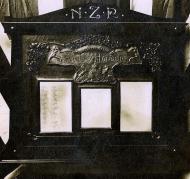
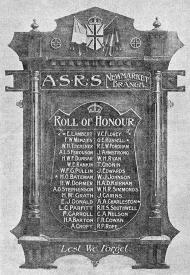
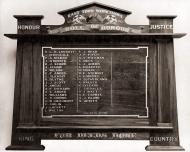
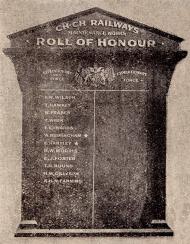
The public service as a whole, government departments and individual public servants found a myriad of ways to honour their employees’ and colleagues’ war service. Read the full article
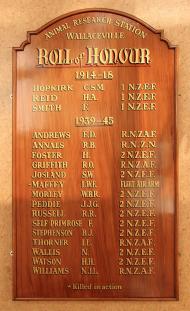
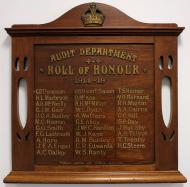
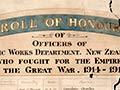
Rolls of honour and obituaries
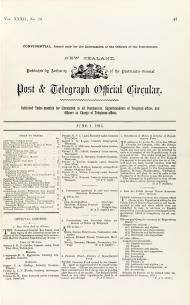
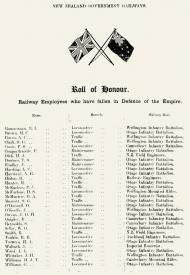
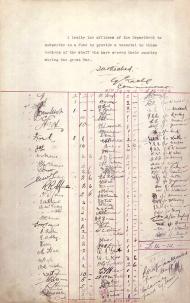
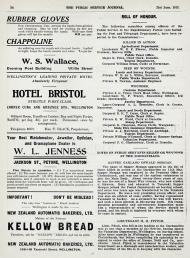
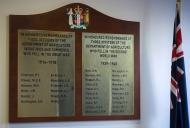
Government rolls of honour and obituaries published at the end of the First World War. Read the full article
Page 1 - Government department rolls of honour and obituaries
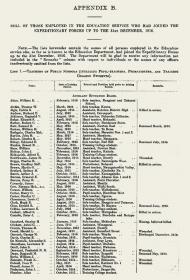
Government rolls of honour and obituaries published at the end of the First World
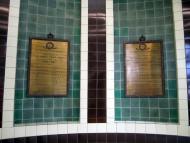
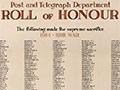
Page 2 - Public Service Roll of Honour
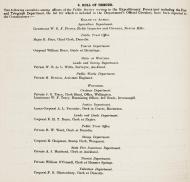
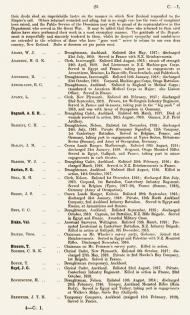
This Roll of Honour lists 218 men from the core Public Service who died in the First World War. It was originally published in the New Zealand Gazette on 29 April
Page 5 - Public Service Journal obituaries 1915-18
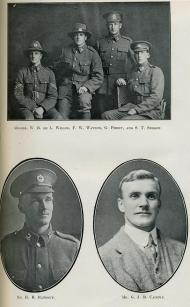
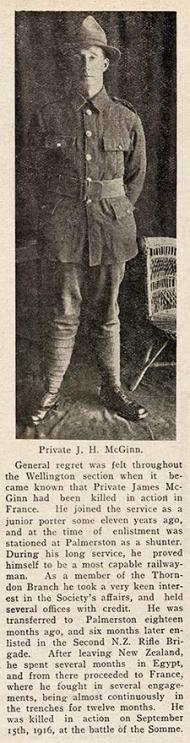
Obituaries of soldiers killed in the First World War that were published in the Public Service Journal from
Recruiting and conscription
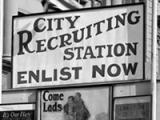
Recruiting men for the New Zealand Expeditionary Force (NZEF) was among the New Zealand government’s most pressing priorities during the four difficult years of the First World War. Tens of thousands were needed every year to keep the NZEF up to strength, and finding them presented major logistical, bureaucratic and tactical challenges to those responsible. Read the full article
Biographies
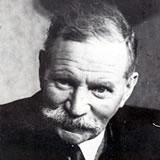
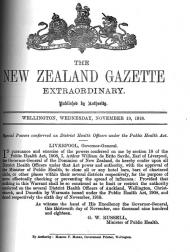
Robert Makgill was a key figure in the development of New Zealand's public health system. He was one of the country's first district health officers and played a crucial role during the devastating 1918 influenza pandemic.
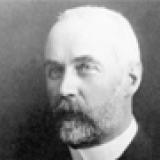
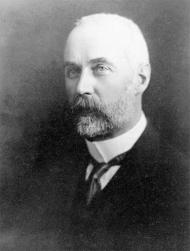
Donald Robertson was the first person to hold the office of Public Service Commissioner, serving in the position from January 1913 until April 1920.
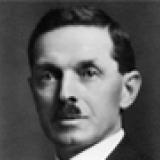
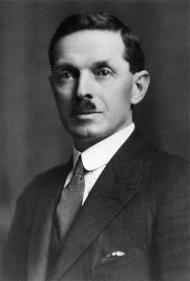
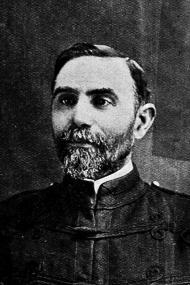
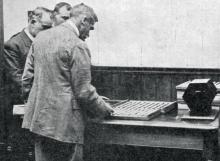
Scotsman Malcolm Fraser was one of the most important public servants in New Zealand’s military war effort. As government statistician he was directly responsible for devising and administering the conscription system.
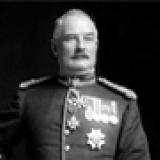
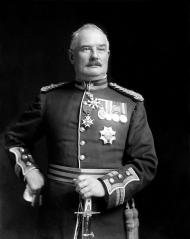
As General Officer Commanding the troops based in New Zealand, Alfred Robin was the person with the most direct overall responsibility for New Zealand’s military war effort other than the Minister of Defence
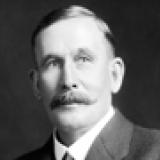
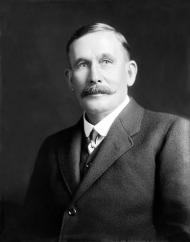
Robert Triggs served as Assistant Public Service Commissioner and Public Trustee during the First World War
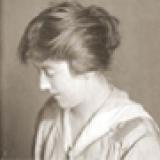
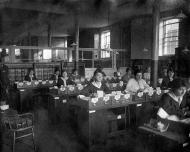
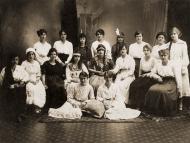
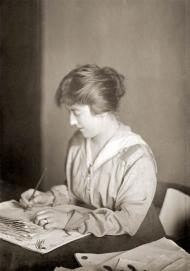
Mary Mulcahy was one of the many women who worked on the conscription ballot for Government Statistician Malcolm Fraser in the second half of the war
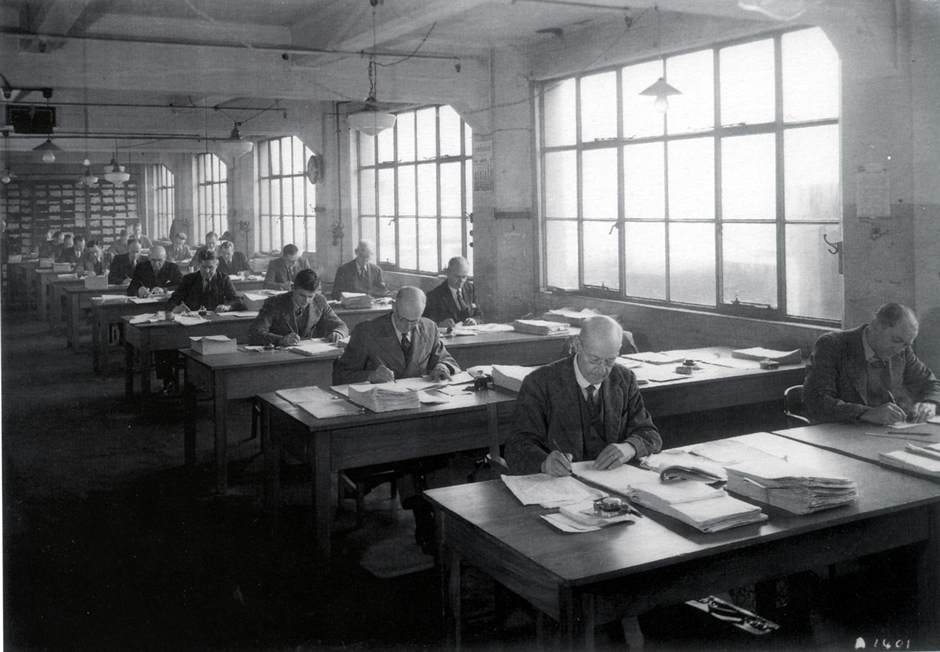
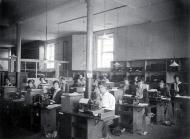
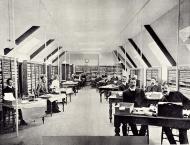
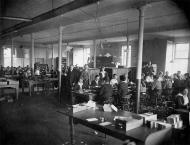
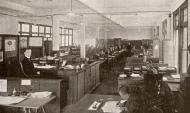
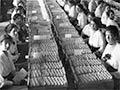
Main image: Transcribing data, 1945
Rows of clerks transcribe data in the cavernous and draughty Hood’s building in Wellington.