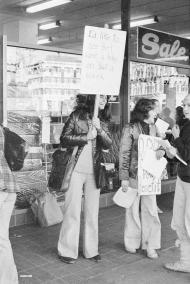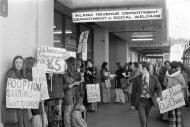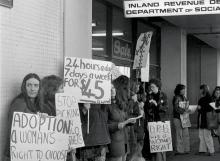
The passage of the Social Security Amendment Act introduced the domestic purposes benefit (DPB) to New Zealand’s social welfare system.
Child Welfare
Events In History
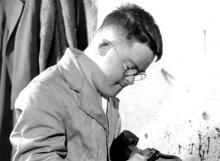
25 October 1949
A meeting in Wellington set up an interim committee for the Intellectually Handicapped Children's Parents' Association (IHCPA), the forerunner of IHC.
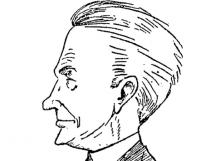
16 June 1923
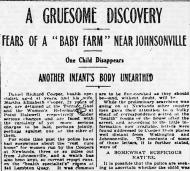
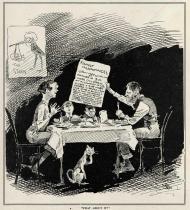
A generation after the hanging of the infamous Minnie Dean, the murder trial of Daniel and Martha Cooper revealed that ‘baby farming’ and illegal abortion were still regarded as solutions to the problem of unwanted children in New Zealand.
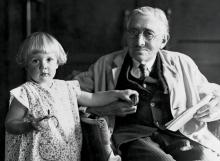
14 May 1907
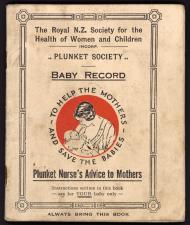
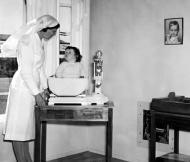
Dr Frederic Truby King helped form the Society for the Promotion of the Health of Women and Children at a meeting in Dunedin Town Hall.
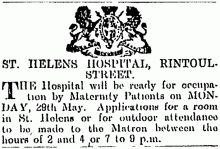
29 May 1905
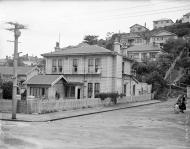
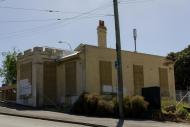
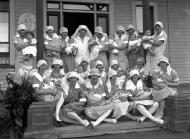
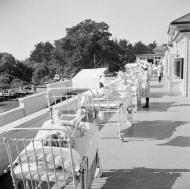
As well as providing care for expectant mothers, the new St Helens hospital in Wellington trained midwifery students.
Articles
Baby farmers
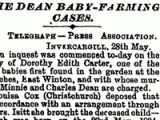
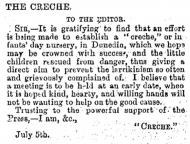
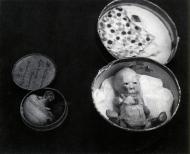
Baby farmers were paid caregivers who allegedly neglected children in their care, concealed their deaths or deliberately murdered the infants. The most notorious was Minnie Dean, who, in August 1895, became the first (and only) woman to be hanged for murder in New Zealand. Read the full article
Page 1 - Baby farmers
Baby farmers were paid caregivers who allegedly neglected children in their care, concealed their deaths or deliberately murdered the infants. The most notorious was Minnie Dean,
Page 2 - From childcare to baby farming
High-profile British and Australian court cases in the 1880s introduced New Zealanders to the sinister practices of baby farmers: paid caregivers who neglected children in their
Page 3 - Minnie Dean
In 1895 Southland's Williamina (Minnie) Dean became the first – and only – woman to be hanged in New Zealand. Her story exposed the stark realities of paid childcare and the lack
Page 4 - The Newlands baby farmers
The sensational murder trial of Daniel and Martha Cooper revealed that the difficulties facing single mothers and unwanted children continued well into the 20th
The 1920s
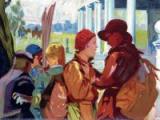
The 1920s was the decade that modern New Zealand came of age. Despite political and economic uncertainty, the country shrugged off the gloom of war to embrace the Jazz Age - an era of speed, power and glamour. Explore an overview of the decade and a year-by-year breakdown of key events. Read the full article
Page 6 - 1923 - key events
A selection of key New Zealand events from
Page 9 - 1926 - key events
A selection of key New Zealand events from
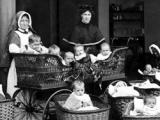
Women Together
Welfare
'Doing good' to others provided a relatively acceptable pretext for women to associate together, as an extension into society of their supposedly natural caring and nurturing capacities. Read the full Women Together Theme

National Collective of Independent Women's Refuges

Women's Refuge in Aotearoa / New Zealand can be seen as continuing the tradition of women responding to other women's needs. Read the full Women Together Essay
New Zealand Federation of Home and Family Societies
When the Society for the Protection of Women and Children was formed in Auckland in 1893, its name was a public statement that women and children required protecting Read the full Women Together Essay
Parents Centres New Zealand

Parents Centres were founded to provide education and support for new and prospective parents through a community-based nation-wide network of branches, run by committees of women Read the full Women Together Essay
Royal New Zealand Plunket Society

'Plunket', as the Royal New Zealand Plunket Society came to be popularly known, became a household word in New Zealand. Read the full Women Together Essay
Te Kākano o te Whānau
Te Kākano was a Māori women's organisation which strove to bring about communities which were free of violence and abuse, by working with abuse victims and their families. Read the full Women Together Essay
Te Kōhanga Reo
Te Kōhanga Reo focuses on total immersion in Māori language and values for preschool children Read the full Women Together Essay
Biographies
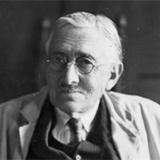
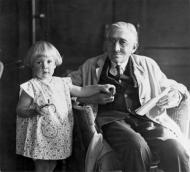
Dr Frederic Truby King provided the impetus for The Society for the Promotion of the Health of Women and Children, commonly known as the Plunket Society.
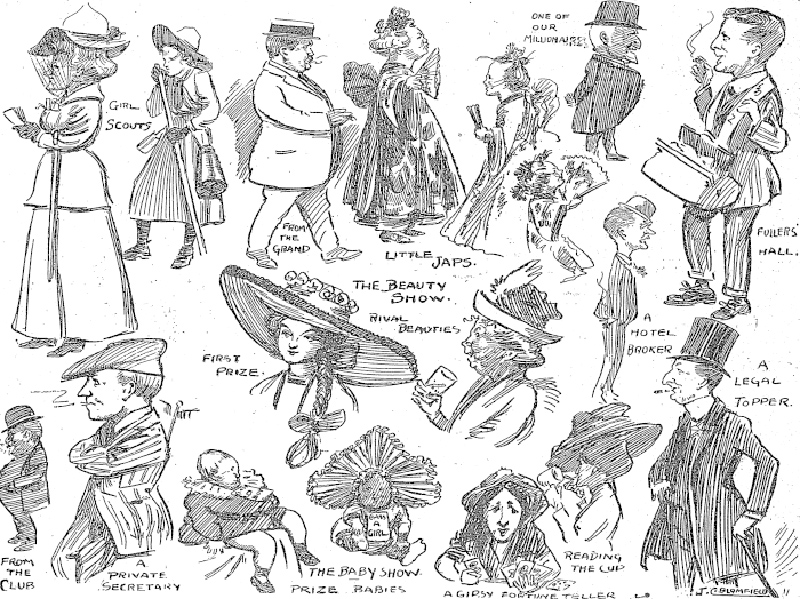
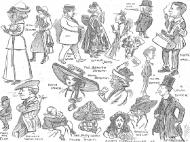
Main image: Mother Aubert fundraising fête, 1910
'At the Mother Aubert Fete, Newtown Park'; illustration from the Free Lance, 12 November 1910. That year, a series of fundraising events were held in Wellington to mark the 50th anniversary of Mother Mary Joseph Aubert’s arrival in New Zealand.