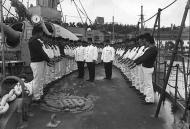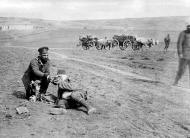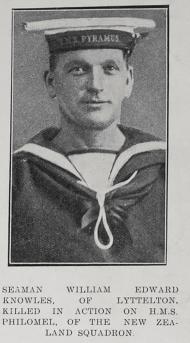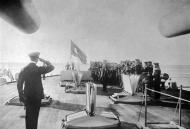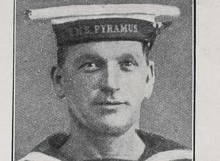
Able Seaman William Edward Knowles became one of the first New Zealanders to die in the First World War as a result of enemy action.
Ottoman Empire
Events In History
Articles
The Gallipoli campaign
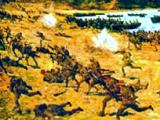
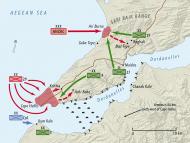
Each year on Anzac Day, New Zealanders (and Australians) mark the anniversary of the Gallipoli landings of 25 April 1915. On that day, thousands of young men, far from their homes, stormed the beaches on the Gallipoli Peninsula in what is now Türkiye. Read the full article
Page 1 - The Gallipoli campaign
Each year on Anzac Day, New Zealanders (and Australians) mark the anniversary of the Gallipoli landings of 25 April 1915. On that day, thousands of young men, far from their
Armistice Day
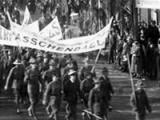
After four terrible years, fighting in the First World War finally ended with the signing of an armistice between Germany and the Allies on 11 November 1918. New Zealanders celebrated enthusiastically, despite having recently celebrated the surrenders of the three other Central Powers and the premature news of an armistice with Germany. Read the full article
Page 2 - Pre-Armistice Day surrenders
From 1 October 1918 New Zealanders progressively celebrated the surrenders of Bulgaria, the Ottoman Empire and Austria-Hungary before the armistice with Germany on 11
The Imperial Camel Corps
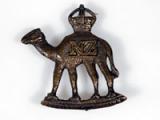
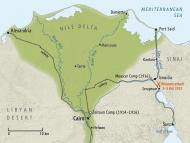
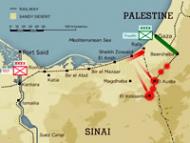
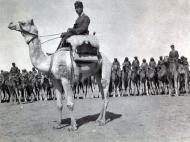
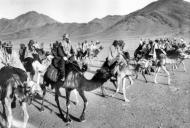
The Imperial Camel Corps, which included two New Zealand companies, played a vital role in the Sinai and Palestine campaigns during the First World War. Between 400 and 450 New Zealanders fought in the Corps, and 41 died before the two New Zealand companies were disbanded in mid-1918. Read the full article
Page 2 - Formation and expansion
Camels have often fulfilled the role of cavalry on the battlefields of the Middle East and adjacent regions, including during the Sinai and Palestine campaigns of the First World
Page 3 - New Zealand Camel Companies
In August 1916 No 15 (New Zealand) Company, Imperial Camel Corps, was formed from men originally intended as reinforcements for the New Zealand Mounted Rifles
Central Powers
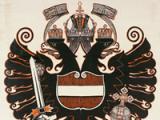
Key statistics and facts about the forces of Austria-Hungary, Bulgaria, Germany and the Ottoman Empire during the First World War Read the full article
Page 1 - Central Powers
Key statistics and facts about the forces of Austria-Hungary, Bulgaria, Germany and the Ottoman Empire during the First World
Page 5 - Ottoman Empire
Key information and statistics about the Ottoman Empire during the First World
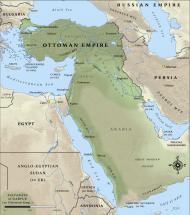
The Ottoman Empire
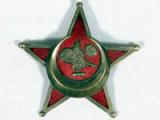
Few Kiwis today know much about one of our main First World War enemies, the Ottoman Empire - a sophisticated but often forgotten empire whose soldiers fought against New Zealand troops for four years in the Gallipoli, Sinai and Palestine campaigns. Read the full article
Page 1 - The Ottoman Empire
Few Kiwis today know much about one of our main First World War enemies, the Ottoman Empire - a sophisticated but often forgotten empire whose soldiers fought against New Zealand
Page 2 - Background
Although the Ottoman Empire was dominated by the Turks, it also included Arabs, Kurds, Greeks, Armenians and other ethnic
Page 3 - Three wars in three years, 1911-13
The Ottoman Empire came under attack in wars fought in Libya and the Balkans between 1911 and 1913.
Page 4 - Ottoman Empire enters the First World War
Enver Pasha, the Ottoman Minister for War, reacted to the mobilisation of the Russian Army by ordering the Ottoman Army to prepare for war in August 1914.
Page 5 - Ottoman Empire at war
How the Ottoman Empire fared during the First World War
Page 6 - The Armenians' suffering
Turkey has always denied accusations that the Ottoman authorities committed genocide against their Armenian
Page 7 - Rise of Arab nationalism
As the Ottoman Empire entered the First World War in 1914 the loyalty of its Arab subjects could no longer be taken for
Page 8 - The Arab Revolt, 1916-18
The rise of its Arab subjects against the Ottoman Empire in the later years of the First World War saw them fight alongside the British forces, though ultimately they were
Page 9 - Collapse of the Ottoman Empire, 1918-1920
The Armistice of 31 October 1918 ended the fighting between the Ottoman Empire and the Allies but did not bring stability or peace to the
Page 10 - Birth of the Turkish Republic
The Birth of the Republic of Turkey from 1920-23
Page 11 - The Ottoman Army
There were some Arab and even a few non-Muslim officers in the Ottoman Army in 1914, but all the senior military commands were held by
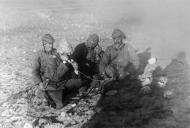
Page 12 - The Turkish soldier's experience
Mehmetçik – ‘Little Mehmet’ – was an affectionate Turkish nickname for Ottoman (Turkish)
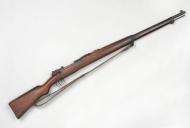
Page 13 - Weapons of the Ottoman Army
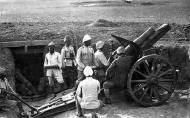
The Ottoman Army went to war in 1914 with significant gaps in its arsenal, particularly in machine guns and field artillery.
Page 14 - Further information
Recommended books and journals about the Ottoman
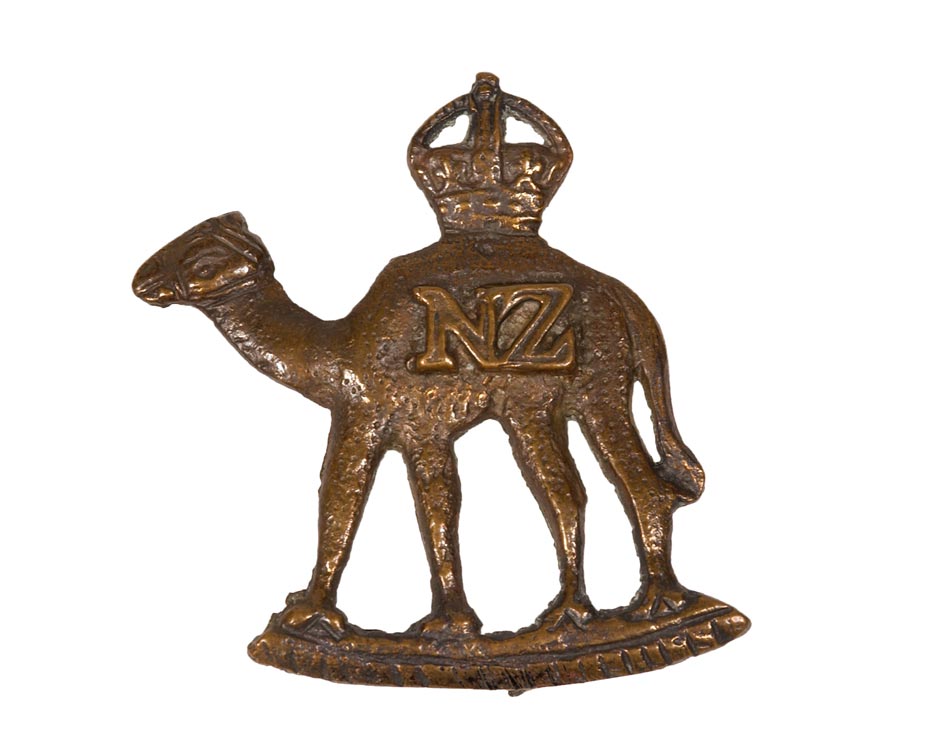
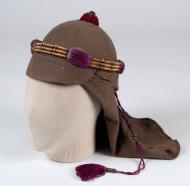
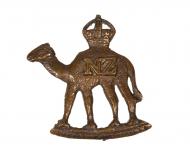
Main image: New Zealand Imperial Camel Corps hat badge
Unofficial First World War bronze New Zealand Camel Corps hat badge.